Carboxytherapy in skin regeneration programs
Contents:
- Carboxytherapy as a mechanism for triggering regenerative processes
- Carboxytherapy for the face: indications and effects
- The role of carboxytherapy in comprehensive recovery programs
- Carboxytherapy for joints: regenerative potential
- Procedure safety and an individualized approach
- When regeneration works for the result
Carboxytherapy occupies a significant position among modern regenerative techniques due to its physiological mechanism of action and broad clinical applicability. The procedure is based on the controlled exposure to carbon dioxide, which activates microcirculation, improves tissue trophism, and initiates natural regenerative mechanisms. This approach makes it possible to address not only skin quality but also the functional condition of tissues in various anatomical areas.
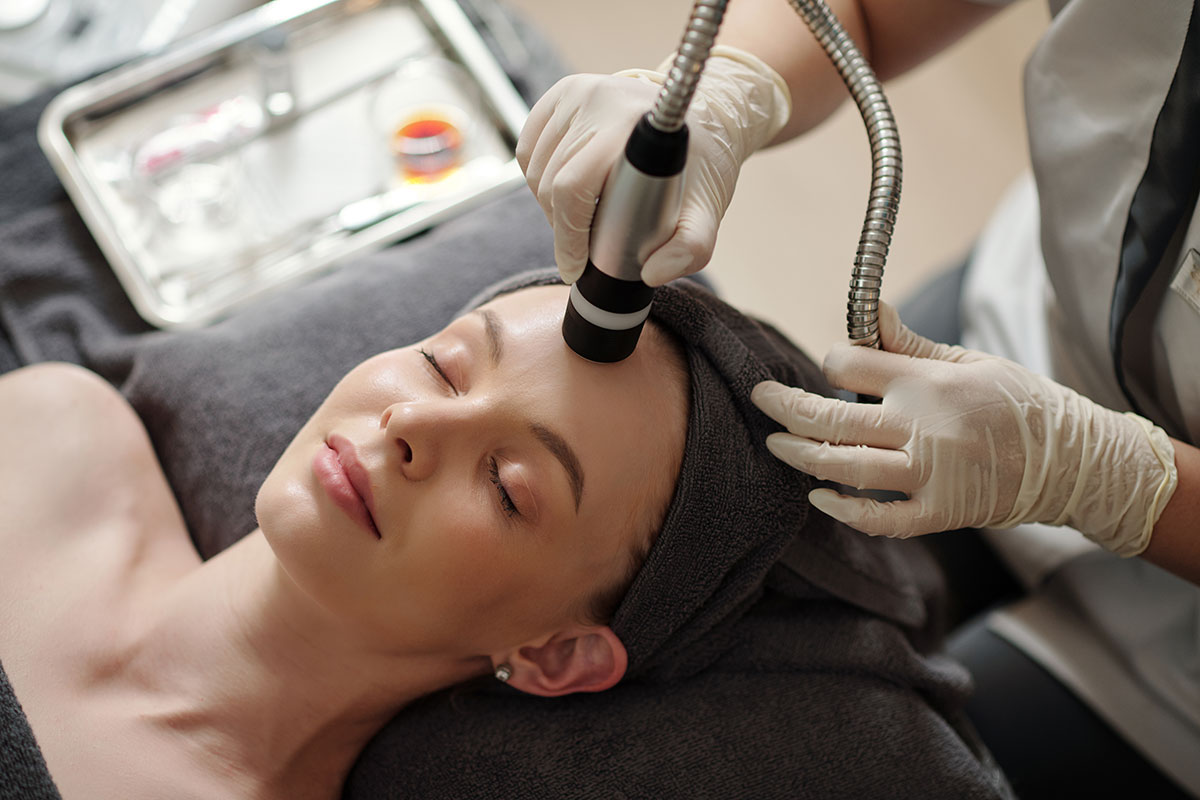
In aesthetic practice, carboxytherapy is widely used for facial treatments as part of regeneration programs aimed at improving skin tone and texture, as well as within comprehensive protocols designed to support regenerative processes. Beyond aesthetic indications, the procedure is also applied for joints, where stimulation of blood circulation and enhanced tissue nutrition play a crucial role. This versatility, combined with a favorable safety profile, makes carboxytherapy an in-demand component of modern regeneration programs.

Carboxytherapy as a mechanism for triggering regenerative processes
Carboxytherapy belongs to procedures whose effects are based on the activation of natural physiological responses of the body. The primary factor of influence is the controlled administration or transdermal delivery of carbon dioxide, which induces short-term localized hypercapnia. In response, compensatory mechanisms are activated, aimed at improving microcirculation and tissue oxygenation.
During the procedure, capillary dilation and increased blood flow occur, promoting enhanced delivery of oxygen and nutrients to cells. This process directly affects metabolism, stimulates collagen and elastin synthesis, and accelerates cellular renewal. For this reason, carboxytherapy is considered an effective tool in skin regeneration programs, where the focus lies not on masking imperfections but on restoring the natural functions of tissues.
An additional advantage is the versatility of the technique. The procedure can be applied for facial treatments within aesthetic programs, as well as for joints as part of recovery protocols, where improvement of trophic processes and microcirculation is essential. Thanks to this mechanism of action, carboxytherapy integrates seamlessly into a comprehensive approach and enhances the effectiveness of other care and rehabilitation methods.
Carboxytherapy for the face: indications and effects
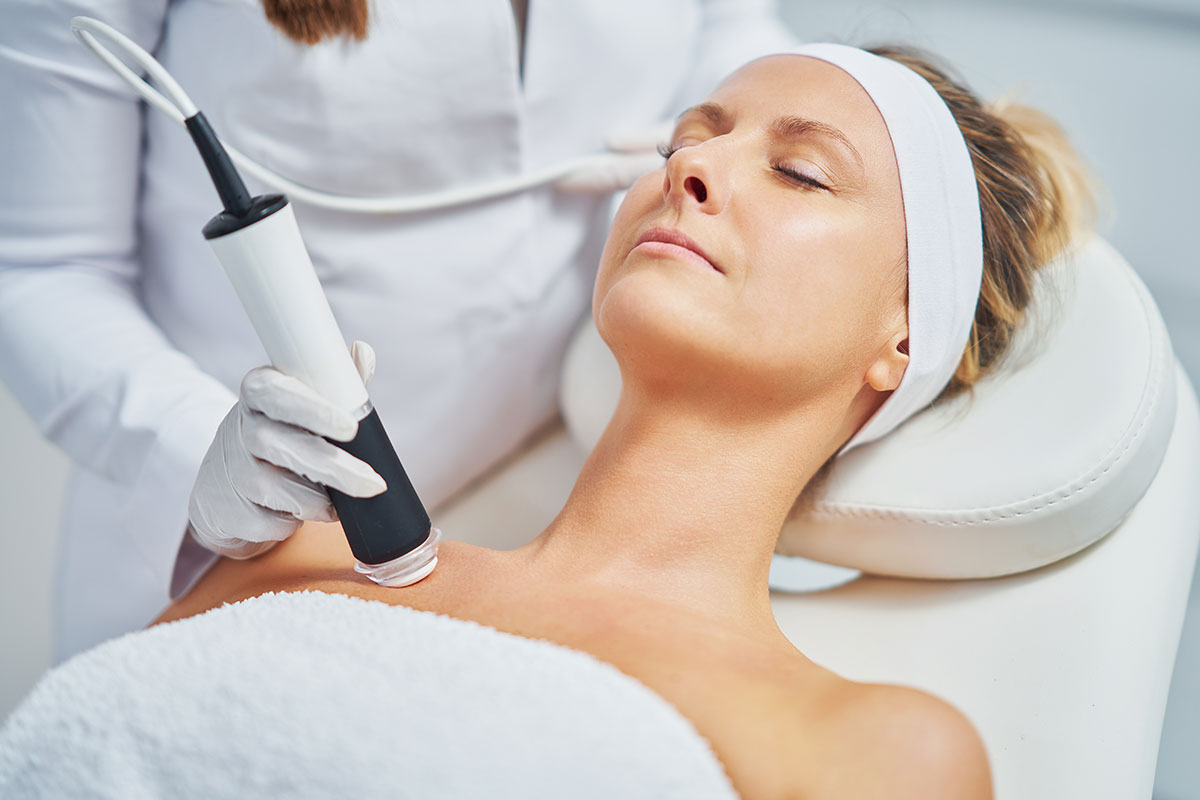
Carboxytherapy for the face is applied when the primary objective is improving skin quality without aggressive intervention. The procedure is indicated for reduced skin tone, dull complexion, uneven texture, and early signs of aging. By influencing microcirculation and cellular metabolism, conditions are created for natural tissue renewal.
During treatment, blood circulation is activated, contributing to better oxygen and nutrient supply to skin cells. This is reflected in the skin’s appearance: tone improves, elasticity increases, and the severity of puffiness and signs of fatigue decreases. Carboxytherapy for the face is not aimed at instant contour changes; instead, it provides a gradual and stable effect by initiating regenerative processes.
A key feature is the possibility of integrating the procedure into various skincare programs. Carboxytherapy combines well with device-based techniques, chemical peels, and other regenerative treatments, enhancing their effects. For this reason, it is often used as a preparatory or supportive stage within comprehensive protocols focused on long-term improvement of skin condition.
The role of carboxytherapy in comprehensive recovery programs
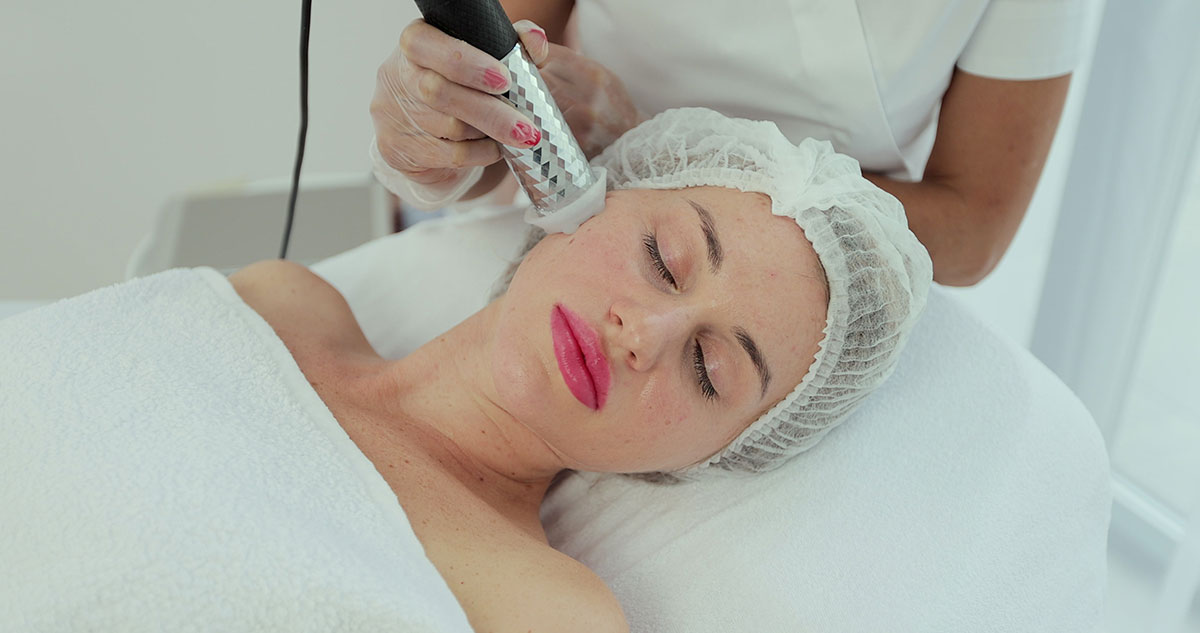
Carboxytherapy is rarely considered an isolated procedure, as its maximum effectiveness is achieved within comprehensive regeneration programs. Due to its ability to activate microcirculation and improve tissue metabolism, the procedure creates optimal conditions for the action of other aesthetic methods. Within such programs, carboxytherapy often serves a preparatory or supportive role.
When combined with device-based procedures, carboxytherapy enhances the penetration of active components and promotes more uniform tissue recovery. After peels or stimulatory techniques, the procedure helps reduce skin reactivity and accelerates regenerative processes. This approach allows for minimizing skin stress without compromising the overall effectiveness of the course.
An important aspect is course-based application. A single session provides short-term activation of recovery processes, whereas a systematic approach forms a stable and predictable result. Therefore, carboxytherapy is included in regeneration programs as a stage that supports physiological tissue balance and increases the overall effectiveness of comprehensive care.
Carboxytherapy for joints: regenerative potential
Carboxytherapy for joints is used in programs aimed at improving the condition of periarticular tissues and supporting regenerative processes. The primary effect of the procedure is associated with enhanced local microcirculation, which contributes to better tissue nutrition and a reduction of stagnant phenomena. This effect is particularly relevant when it is important to activate natural regeneration mechanisms without invasive intervention.
During the procedure, tissue trophism in the joint area improves, positively affecting functional performance. Carboxytherapy does not replace medical treatment; however, it may be applied as part of comprehensive recovery programs. In this context, the procedure is considered an adjunctive tool that enhances the effects of other methods and supports a more comfortable rehabilitation process.
Strict adherence to indications and limits of application is essential. Carboxytherapy for joints requires an individualized approach, assessment of the overall condition, and consideration of possible contraindications. Professional supervision and correct integration of the procedure into a recovery program ensure both safety and clinical relevance.
Procedure safety and an individualized approach
Carboxytherapy is considered a procedure with a high safety profile when established protocols are followed and the patient’s condition is properly assessed. Before initiating a course, it is essential to conduct a consultation, define indications, and exclude possible contraindications. This approach minimizes risks and ensures a predictable outcome.
Individual adjustment of treatment parameters is a key factor in effectiveness. The treatment area, intensity, and course duration are tailored according to skin condition, age-related characteristics, and program objectives. Carboxytherapy for the face and for joints requires different protocols, emphasizing the importance of professional expertise and clinical judgment.
Special attention should be given to setting realistic expectations. The procedure is not an instant solution but works through gradual activation of regenerative processes. The combination of safety, personalization, and course-based application makes carboxytherapy a justified component of modern recovery programs.
When regeneration works in favor of results
Carboxytherapy has proven to be a procedure that fits logically into modern regeneration programs due to its physiological mechanism of action and broad range of applications. Activation of microcirculation, improvement of tissue trophism, and initiation of natural recovery processes allow the method to be used for both facial treatments and joint support within a comprehensive approach.
The procedure is not focused on immediate results; however, it provides stable and predictable outcomes when applied as a course. The combination of safety, versatility, and compatibility with other techniques makes carboxytherapy an important component of programs aimed at improving skin quality and supporting the regenerative potential of tissues.