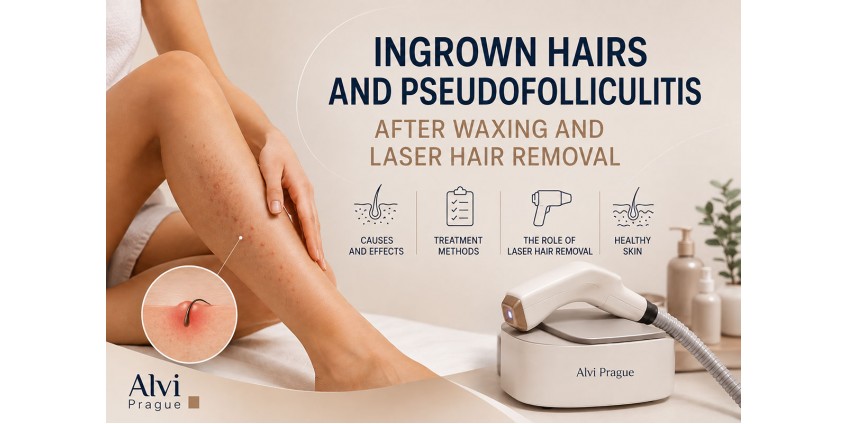
Ingrown hairs and pseudofolliculitis
CONTENTS:
- What are ingrown hairs and pseudofolliculitis?
- Why do hairs become ingrown and what complications can occur?
- What methods are used for ingrown hairs?
- How does laser hair removal affect ingrown hairs?
- What does an aesthetic professional assess before the procedure?
- How to choose a laser for a salon
- Frequently asked questions about ingrown hairs
Ingrown hairs can develop after shaving, waxing, sugaring, or tweezing. A single ingrown hair often resolves without complications, but recurrent ingrown hairs can contribute to persistent inflammation, post-inflammatory hyperpigmentation, and scarring. For an aesthetic professional, it is essential to distinguish isolated ingrown hairs from pseudofolliculitis and conditions that require evaluation by a dermatologist.
One way to reduce the factor responsible for recurrent ingrown hairs is to target future hair growth rather than the visible portion of the hair. Laser hair removal is based on this principle.
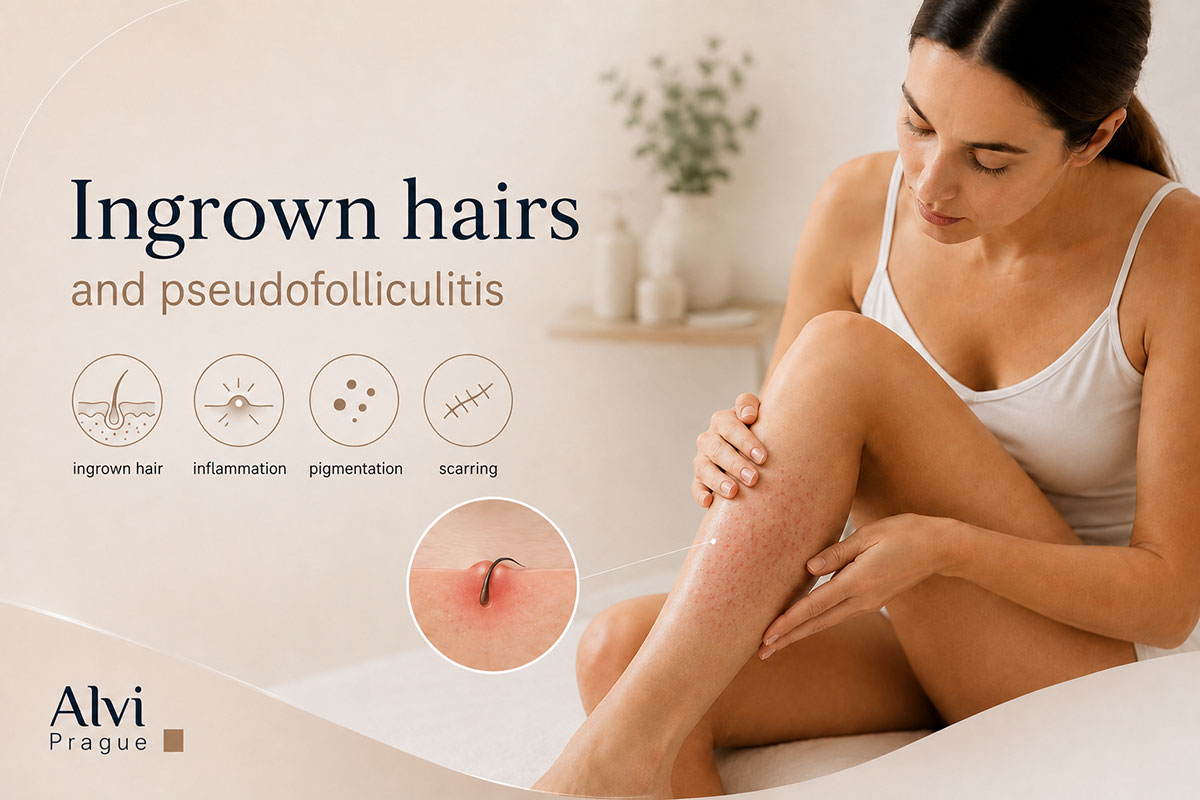
What are ingrown hairs and pseudofolliculitis?
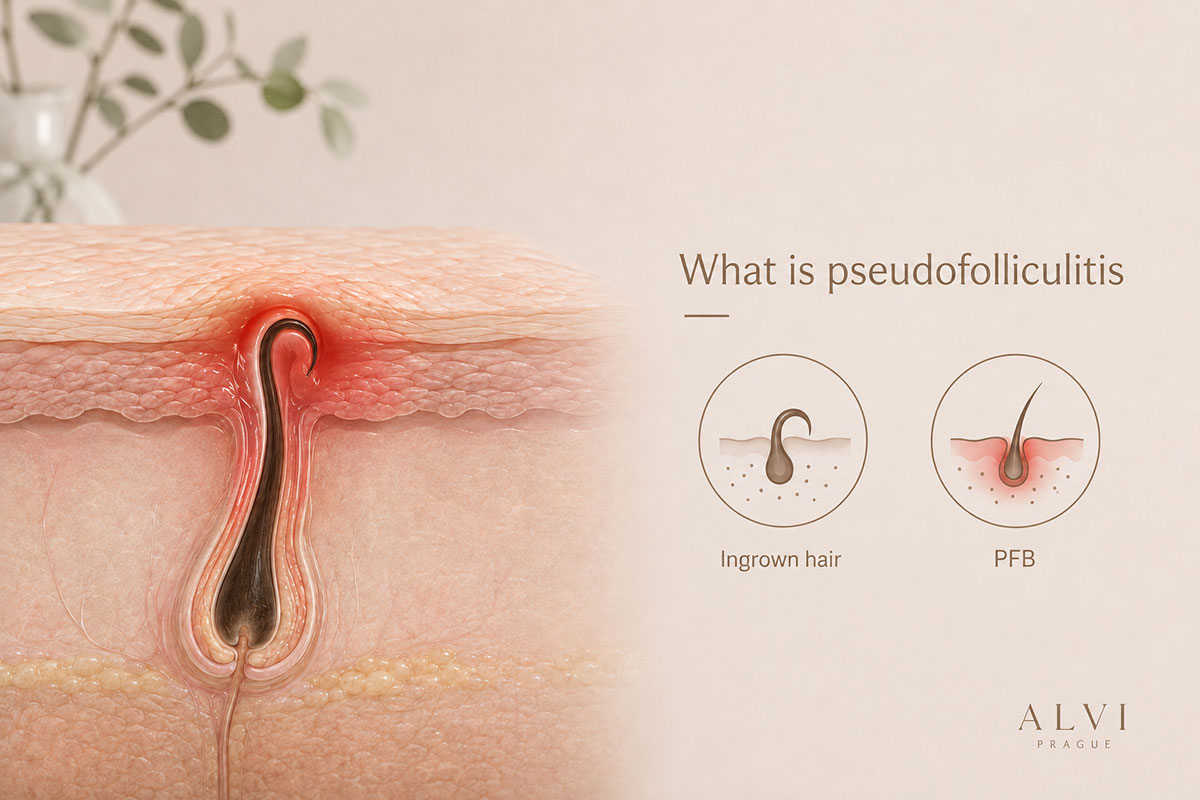
An ingrown hair is a hair that, after being cut or removed, does not emerge normally through the skin surface but instead grows beneath the stratum corneum or re-enters the epidermis. An inflammatory reaction may develop around it, causing redness, a papule, itching, or tenderness.
Pseudofolliculitis barbae, or PFB, is a chronic inflammatory condition that has been most extensively studied in the beard and neck areas. A short, cut hair re-enters the skin or penetrates through the follicular wall. A similar pseudofolliculitis mechanism can occur in the bikini area, underarms, and other areas following repeated hair removal.
PFB should not automatically be considered equivalent to bacterial folliculitis. The primary factor is mechanical penetration of the hair and the resulting tissue reaction. Secondary infection may occur.
Why do hairs become ingrown and what complications can occur?
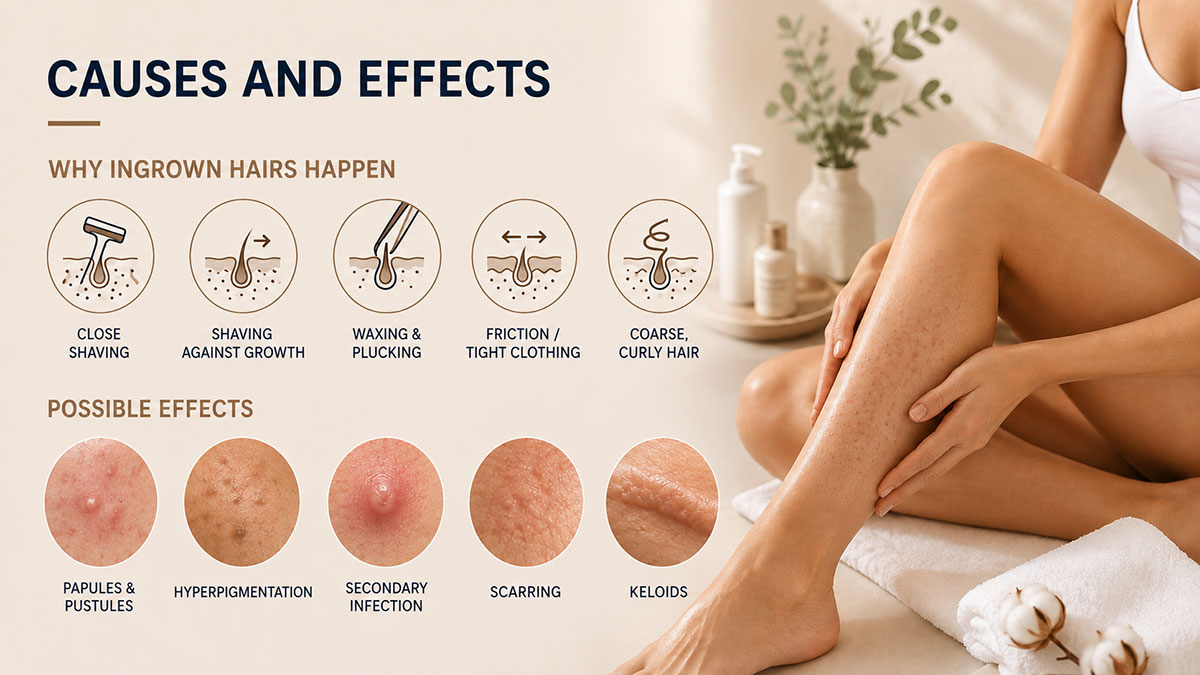
The risk is higher with coarse, thick, and curly hair. Close shaving leaves a short, sharp hair tip that can re-enter the epidermis as it grows. Shaving against the direction of hair growth, stretching the skin while shaving, waxing, sugaring, and tweezing can also contribute to recurrent episodes. In the bikini area and on the inner thighs, friction from clothing can be an additional factor.
Recurrent ingrown hairs may be associated with:
- post-inflammatory hyperpigmentation;
- papules and pustules;
- secondary infection;
- scarring;
- hypertrophic or keloid scars in susceptible individuals.
In cases of severe pain, swelling, multiple purulent lesions, abscesses, or widespread inflammation, an aesthetic professional should not determine the cause based solely on appearance. The client should be evaluated by a dermatologist.
What methods are used for ingrown hairs?
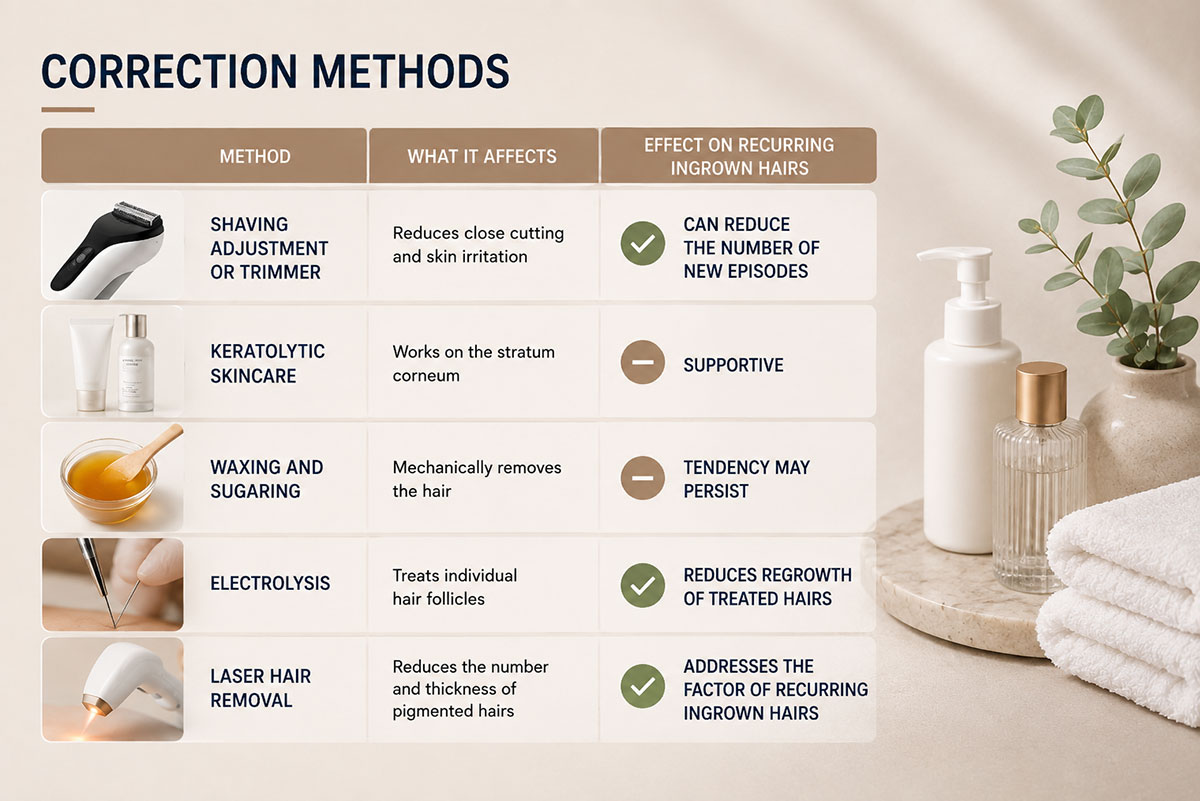
The approach depends on the underlying cause, the hair removal method, and the condition of the skin.
|
Method |
What it targets |
Effect on recurrent ingrown hairs |
|
Shaving technique adjustment or trimmer |
Reduces close cutting and skin trauma |
May reduce the number of new lesions |
|
Keratolytic skin care |
Targets the stratum corneum |
Supportive |
|
Waxing and sugaring |
Mechanically remove the hair |
The tendency to develop ingrown hairs may persist |
|
Electrolysis hair removal |
Targets individual follicles |
Reduces regrowth of treated hairs |
|
Laser hair removal |
Reduces the amount and thickness of pigmented hair |
Targets a factor involved in recurrent ingrown hairs |
Laser hair removal is not a treatment for every type of follicular inflammation. Its role in PFB is associated with reducing the amount of hair that can re-enter the skin.
How does laser hair removal affect ingrown hairs?
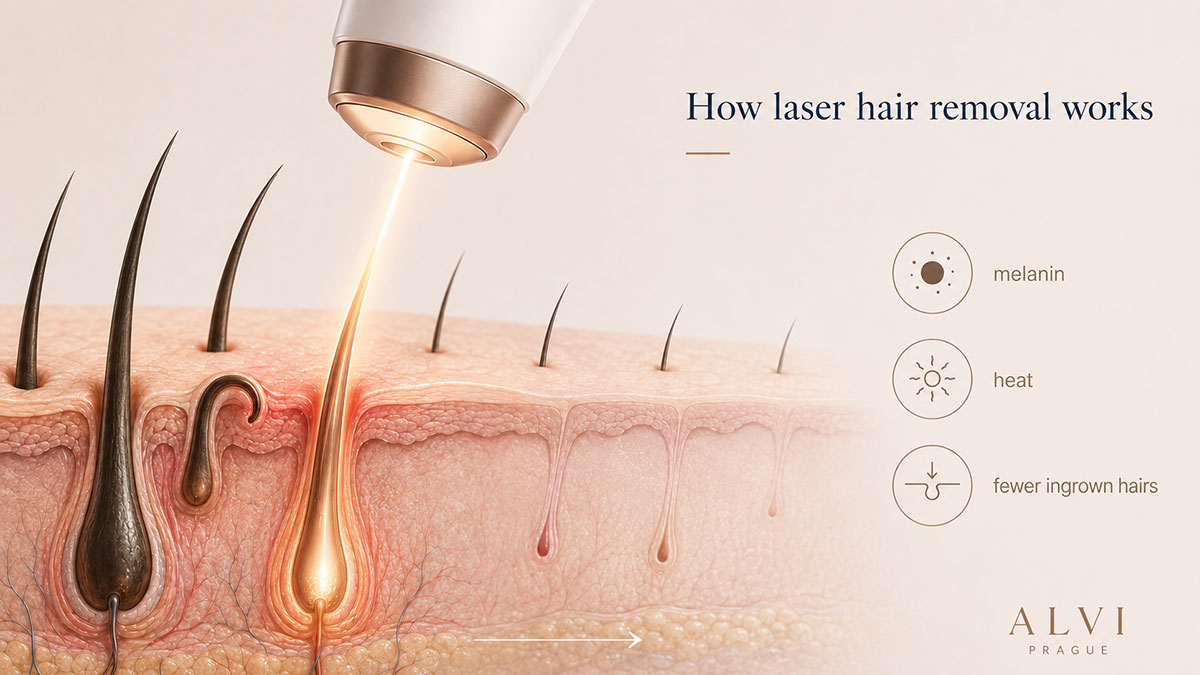
Laser energy is absorbed by melanin in the hair, converted into heat, and affects structures within the hair follicle. After a course of treatments, the density of pigmented hair decreases, while some of the hairs that regrow become finer.
In a clinical study of an 810 nm diode laser, all participants experienced more than a 50% reduction in hair density and more than a 50% improvement in PFB symptoms after three treatments. The procedures were performed at 6–8 week intervals, so these results should not be presented as a guaranteed outcome for every client.
In 2025, the U.S. military medical bulletin TB MED 287 included laser hair reduction among the management options for PFB. The document describes Nd:YAG 1064 nm for darker skin tones and an alexandrite 755 nm laser for lighter skin tones. A typical reference course of 4–6 treatments at 4–6 week intervals is provided.
In aesthetic practice, the number of sessions is determined by the treatment area, skin phototype, hair color and thickness, hair growth cycle, and equipment characteristics.
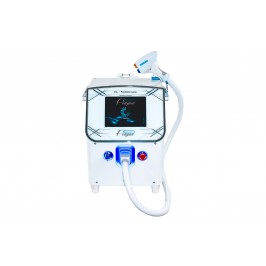
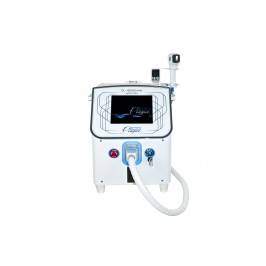
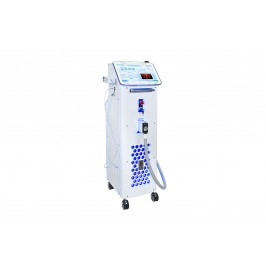
For professional hair removal, Alvi Prague offers a dedicated category of laser hair removal machines as well as a category of diode lasers.
What does an aesthetic professional assess before the procedure?
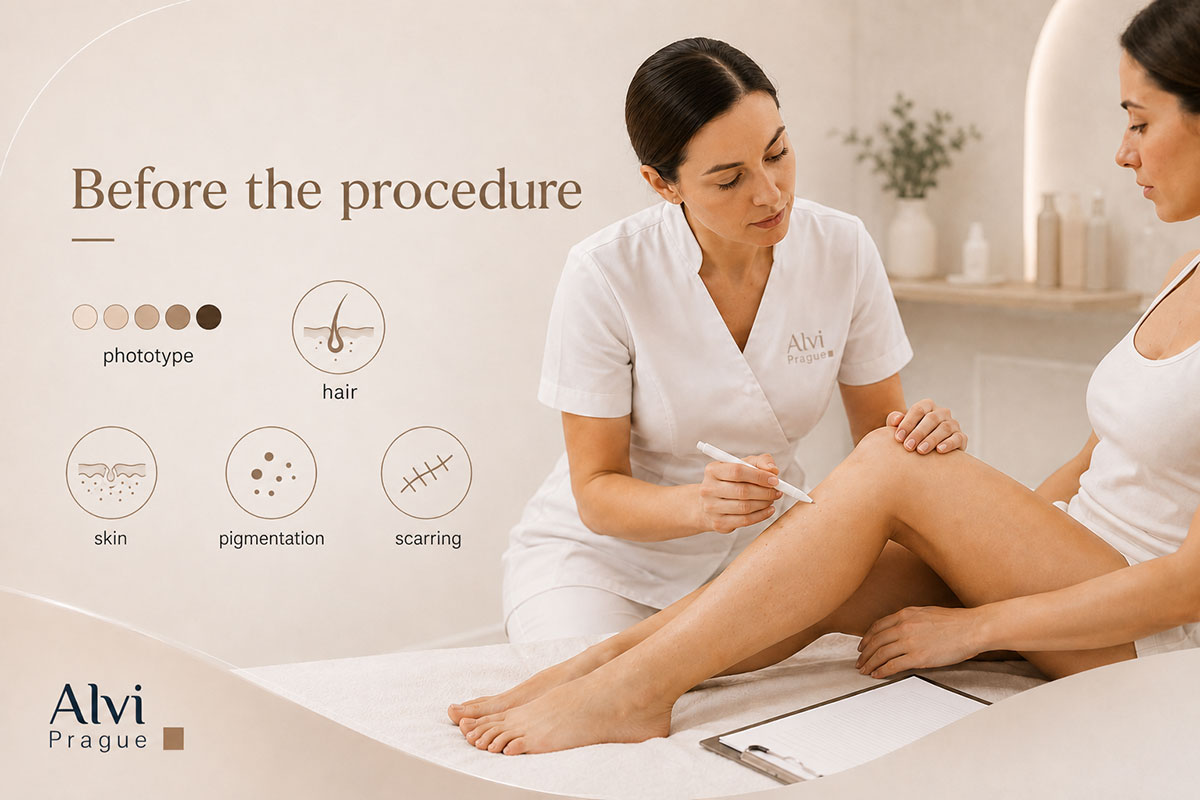
Before a treatment session, the professional assesses the client's skin phototype, hair color and thickness, skin condition, active inflammation, pigmentation, and scarring.
Waxing, sugaring, and tweezing should not be used in the treatment area between sessions. These methods remove the pigmented hair from the follicle, reducing the number of hairs available as targets for laser energy during the next session.
The appearance of isolated ingrown hairs after the first session does not mean that the treatment is ineffective. Some follicles are outside the active growth phase. Progress is better assessed by changes in hair density, the frequency of new ingrown hairs, and the number of inflammatory lesions throughout the treatment course.
How to choose a laser for a salon
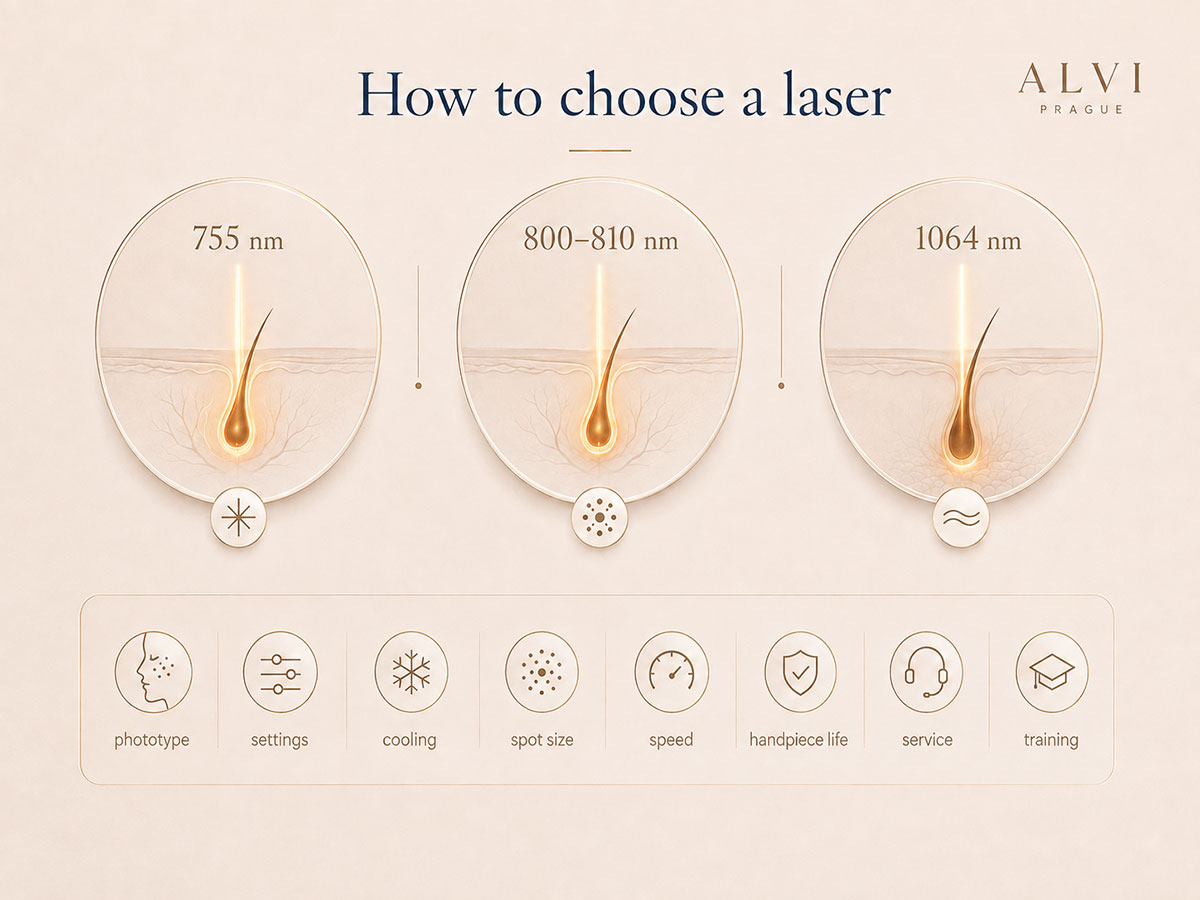
Professional hair removal uses alexandrite 755 nm, diode approximately 800–810 nm, and Nd:YAG 1064 nm laser systems. Selecting a system is not simply a matter of choosing one wavelength.
For a salon, important considerations include client skin phototypes, fluence and pulse parameters, the cooling system, spot size, handpiece service life, treatment speed for different areas, staff training, and technical support.
If laser hair removal is the salon's primary service, a useful internal resource is the article diode vs. alexandrite laser, which compares the technologies separately. The website also features an article on the diode laser for unwanted hair removal, explaining how the technology works.
For comparison with a method that treats individual follicles sequentially, you can also link to electrolysis hair removal equipment.
Frequently asked questions about ingrown hairs
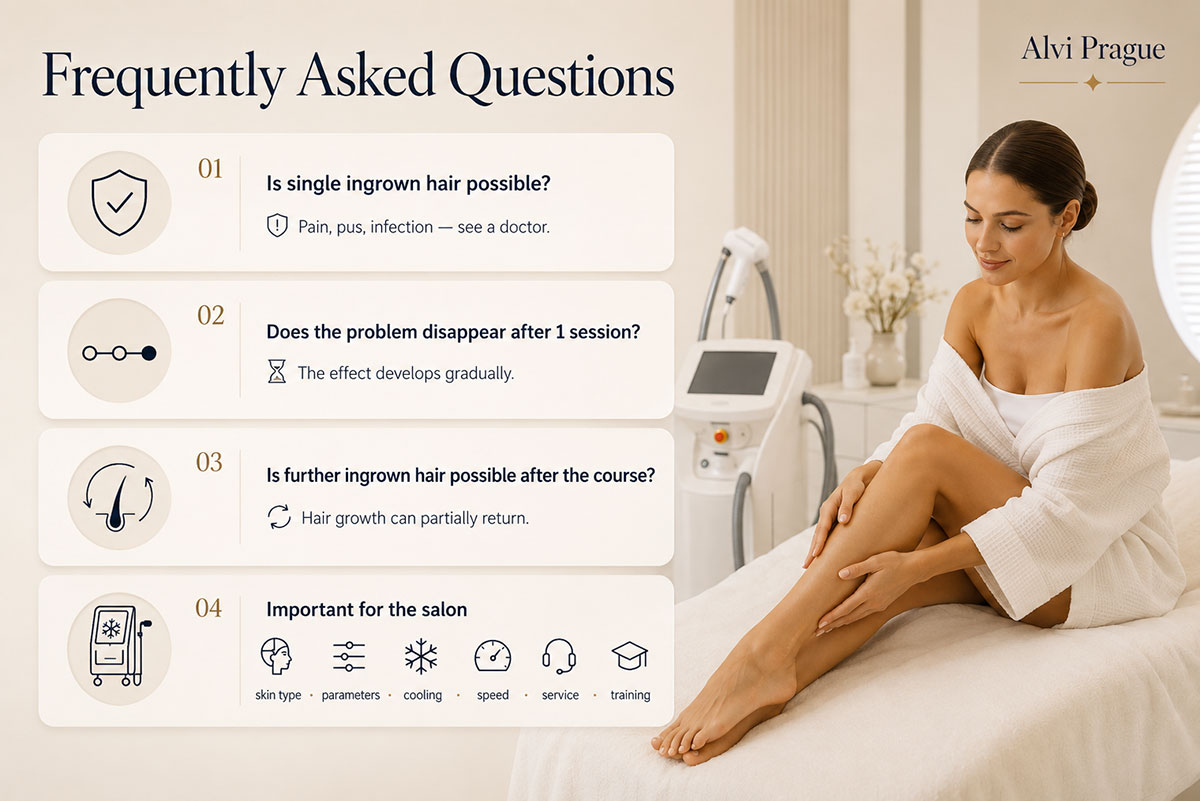
Can laser hair removal be performed when ingrown hairs are present?
A single ingrown hair without significant inflammation does not necessarily rule out the procedure. If pustules, pain, skin damage, or suspected infection are present, medical evaluation is required.
Will the problem disappear after one session?
No. Hair growth reduction develops gradually over the course of treatment. After the first procedure, some follicles remain active, so isolated ingrown hairs may still occur.
Can hairs become ingrown again after completing a treatment course?
Yes. Laser hair removal reduces hair growth but does not mean that every follicle is permanently eliminated. Some hairs may resume growing, and hormonal changes can affect the development of new hair.
What should a salon consider when choosing equipment?
The salon should evaluate its client profile, skin phototypes, hair characteristics, available laser parameter ranges, cooling system, handpiece service life, technical support, and staff training. For assistance in selecting the appropriate equipment configuration, you can contact Alvi Prague for a consultation.