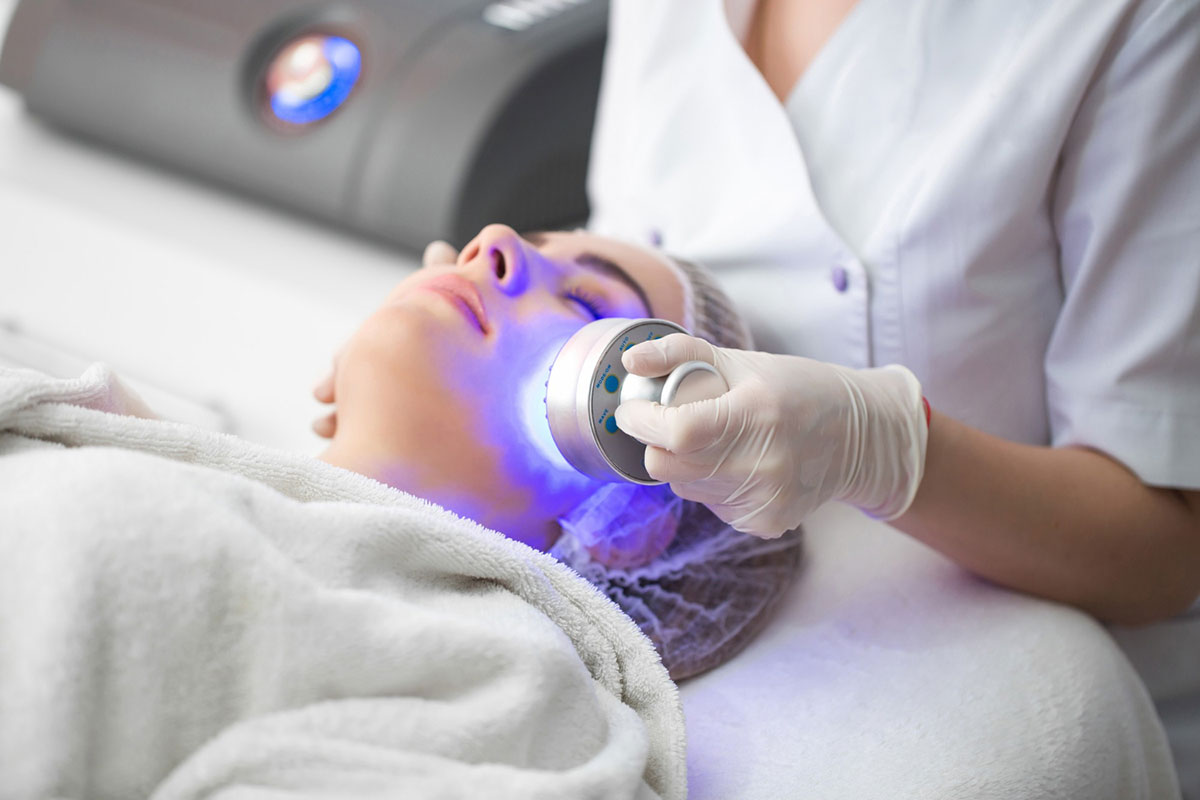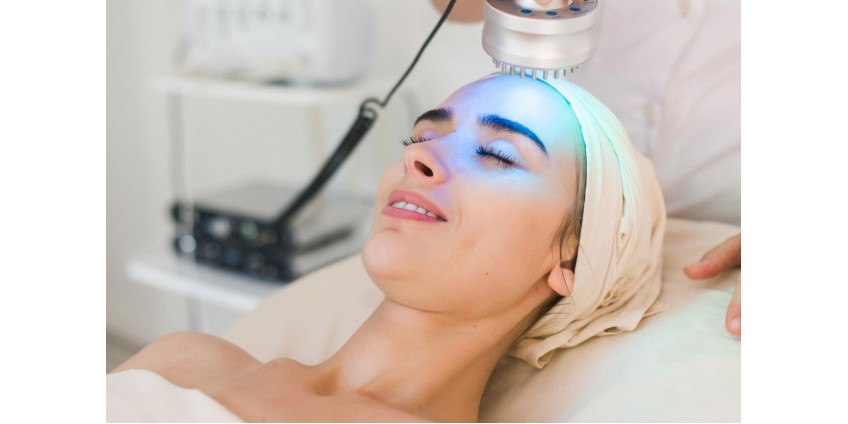
Facial light therapy as a supportive treatment for light deficiency
Contents:
- The impact of light deficiency on facial skin condition
- Facial light therapy as a supportive device-based procedure
- When facial light therapy is appropriate
- Benefits of light therapy in winter skincare protocols
- Facial light therapy as part of seasonal skincare
A deficiency of natural light is one of the factors that directly affects the condition of facial skin. With insufficient light stimulation, cellular processes slow down, microcirculation deteriorates, and tissue oxygenation decreases, which gradually impacts skin tone, complexion, and overall appearance. Under such conditions, gentle device-based methods capable of supporting physiological processes without aggressive intervention become particularly important.
Facial light therapy is considered a delicate tool for skin support during periods of light imbalance. It is not aimed at active stimulation or tissue trauma, but rather at creating favorable conditions for recovery and stabilization of cellular activity. As a result, the procedure integrates naturally into modern skincare protocols where comfort, safety, and predictable outcomes are the priority.
This approach makes it possible to work with facial skin in a systematic manner, maintaining its functional condition and appearance in situations where natural adaptive resources may be insufficient.
The impact of light deficiency on facial skin condition
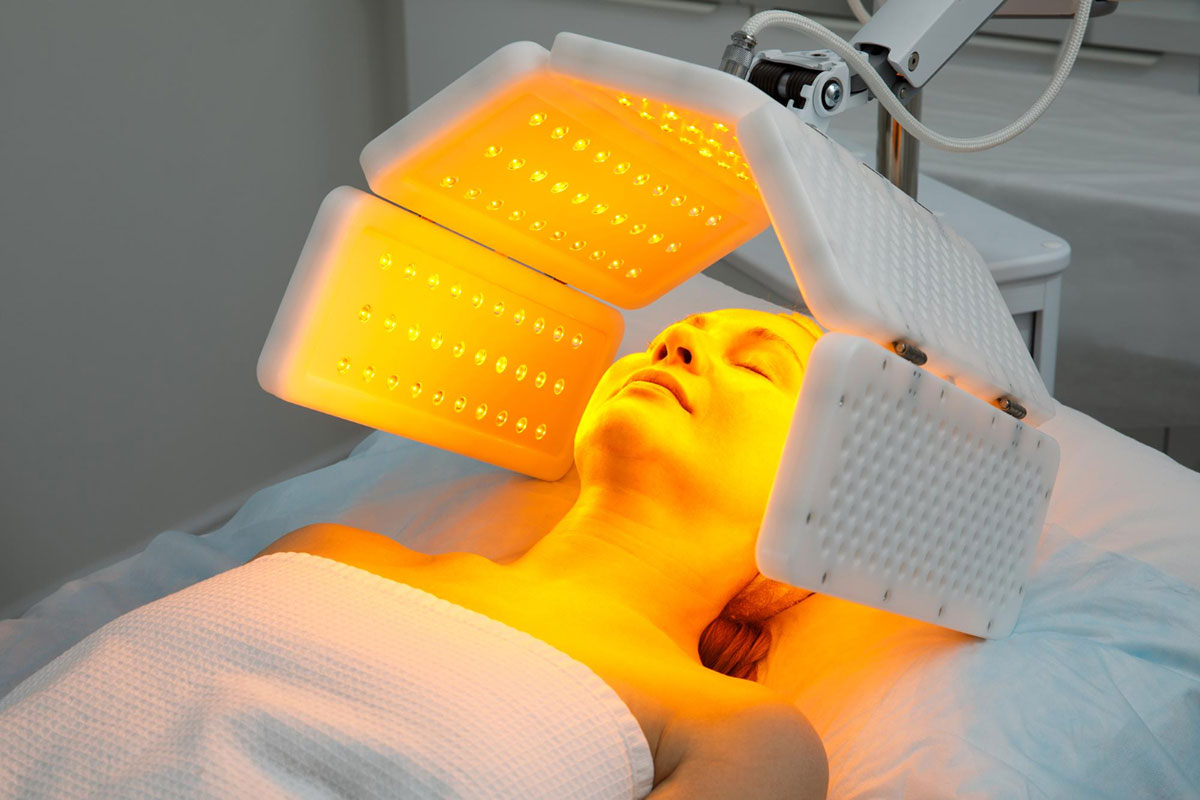
A lack of natural light gradually alters the physiological processes responsible for a healthy-looking complexion. Light acts as an important regulator of cellular activity, and its deficiency can lead to slower metabolic processes in tissues, reduced oxygen saturation, and impaired microcirculation. As a result, the skin loses its natural radiance, appears dull, less firm, and more prone to discomfort.
Under conditions of limited light exposure, the skin’s ability to self-repair is also reduced. This may manifest as uneven tone, a sensation of dryness, increased sensitivity, and overall visual fatigue. Such changes are especially noticeable in the facial area, where the skin is thinner and more reactive to external factors.
For this reason, during periods of light deficiency there is an increased need for supportive procedures that work gently and do not disrupt the protective barrier. In this context, facial light therapy is viewed as a method that helps compensate for insufficient light stimulation and creates conditions for stabilizing the functional state of the skin without aggressive intervention.
Facial light therapy as a supportive device-based procedure
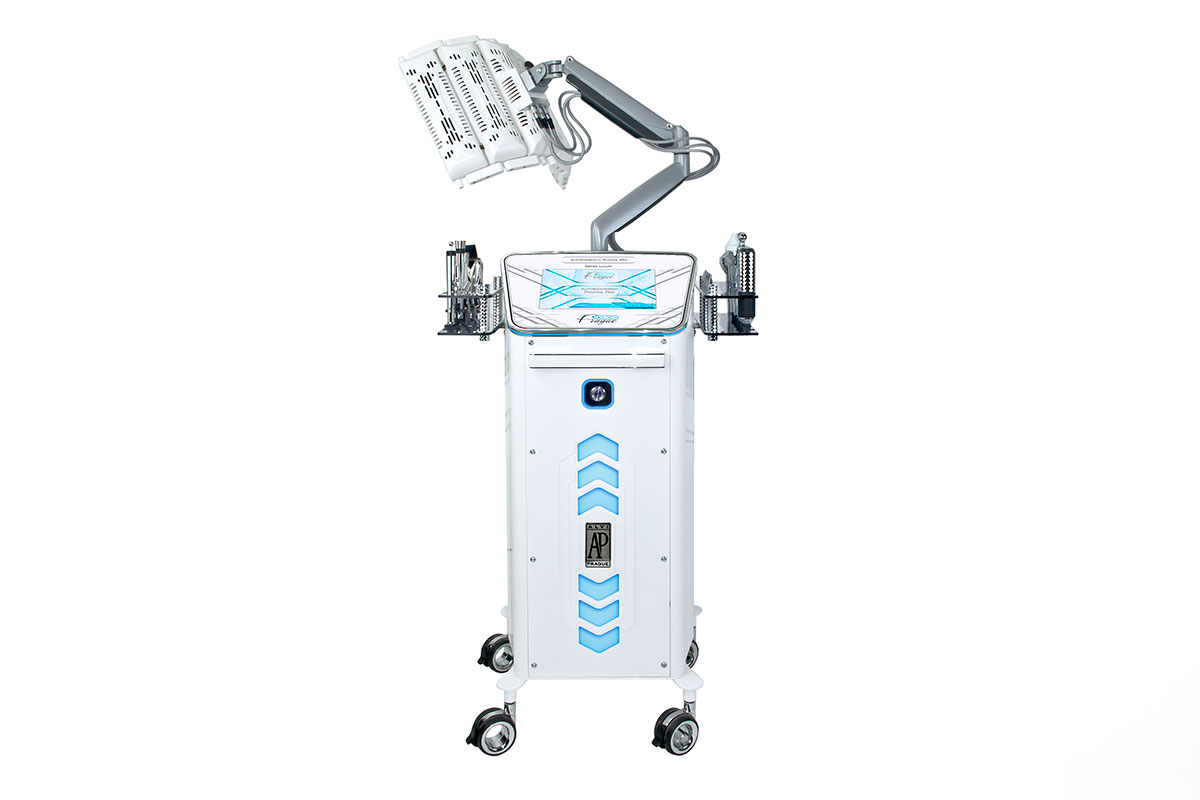
Facial light therapy belongs to device-based methods aimed at gentle support of physiological processes in the skin without mechanical or chemical impact. In professional practice, it is used as a supportive procedure that helps normalize cellular activity and improve the overall functional condition of tissues under limited light stimulation.
Unlike intensive stimulating techniques, light therapy does not compromise the integrity of the skin barrier and does not provoke a pronounced tissue response. Light exposure is selected in a way that supports natural biological processes without overloading the skin. This makes the procedure suitable for regular use and inclusion in basic skincare protocols.
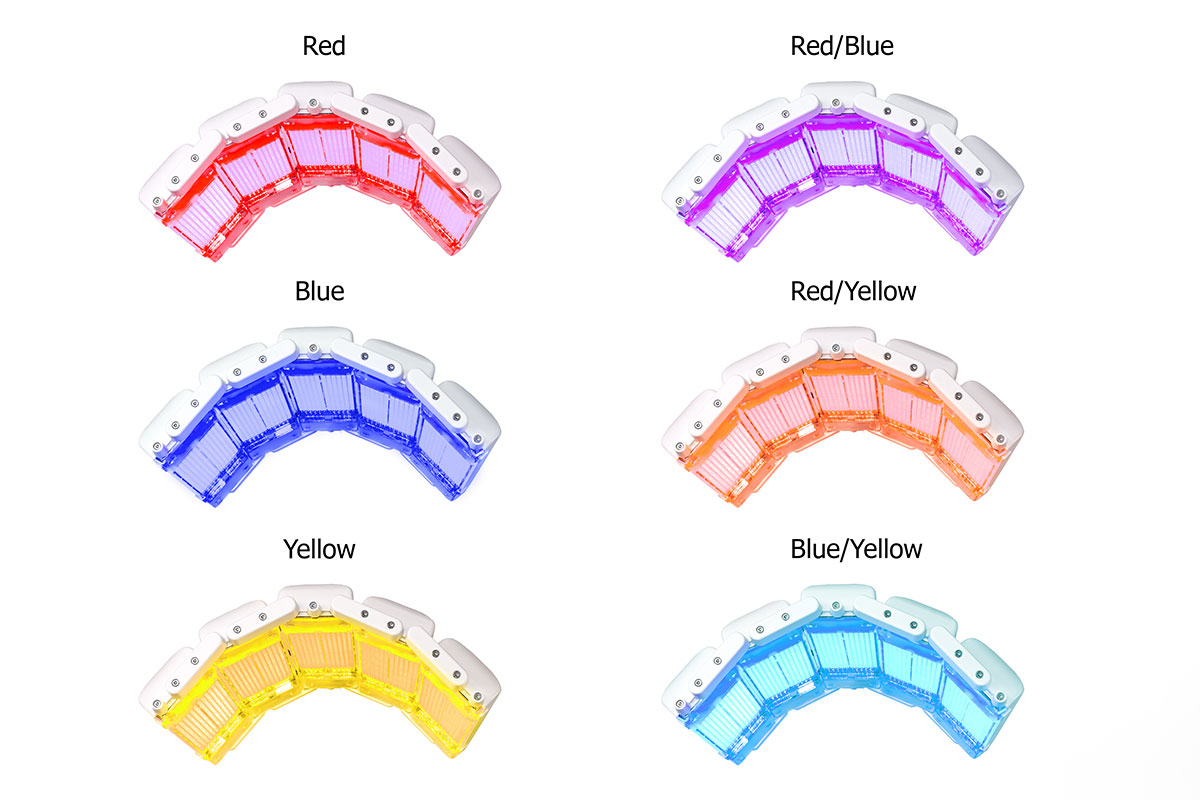
Within light therapy, various technological approaches may be applied, including photochromotherapy, where specific light spectra are used to achieve a supportive effect. This format allows practitioners to work with the skin in a delicate manner, focusing on stabilizing its condition, improving visual appearance, and enhancing overall comfort.
Due to the absence of tissue trauma and recovery time, facial light therapy combines well with other device-based and skincare procedures. It is viewed not as an isolated aggressive step, but as part of a comprehensive approach to supporting the skin under conditions of light imbalance.
When facial light therapy is appropriate
Facial light therapy is appropriate in situations where the skin requires support without intensive intervention. Most often, the procedure is used during periods when natural light stimulation is limited and the skin shows signs of functional fatigue. Such conditions include a dull complexion, reduced tone, sensations of discomfort, and an uneven overall appearance.
The procedure is well suited for sensitive, dry, or reactive skin that does not respond well to aggressive techniques. Thanks to its gentle nature, light therapy does not provoke irritation or disrupt barrier functions, making it safe for regular inclusion in skincare protocols. It can also be used as a supportive step between more active procedures.
Facial light therapy is appropriate when client comfort and stabilization of skin condition without downtime are the priority. It can be combined with hydration, oxygenation, or restorative procedures, enhancing their effect and helping to maintain a balanced skin condition throughout the course of care.
Benefits of light therapy in winter skincare protocols
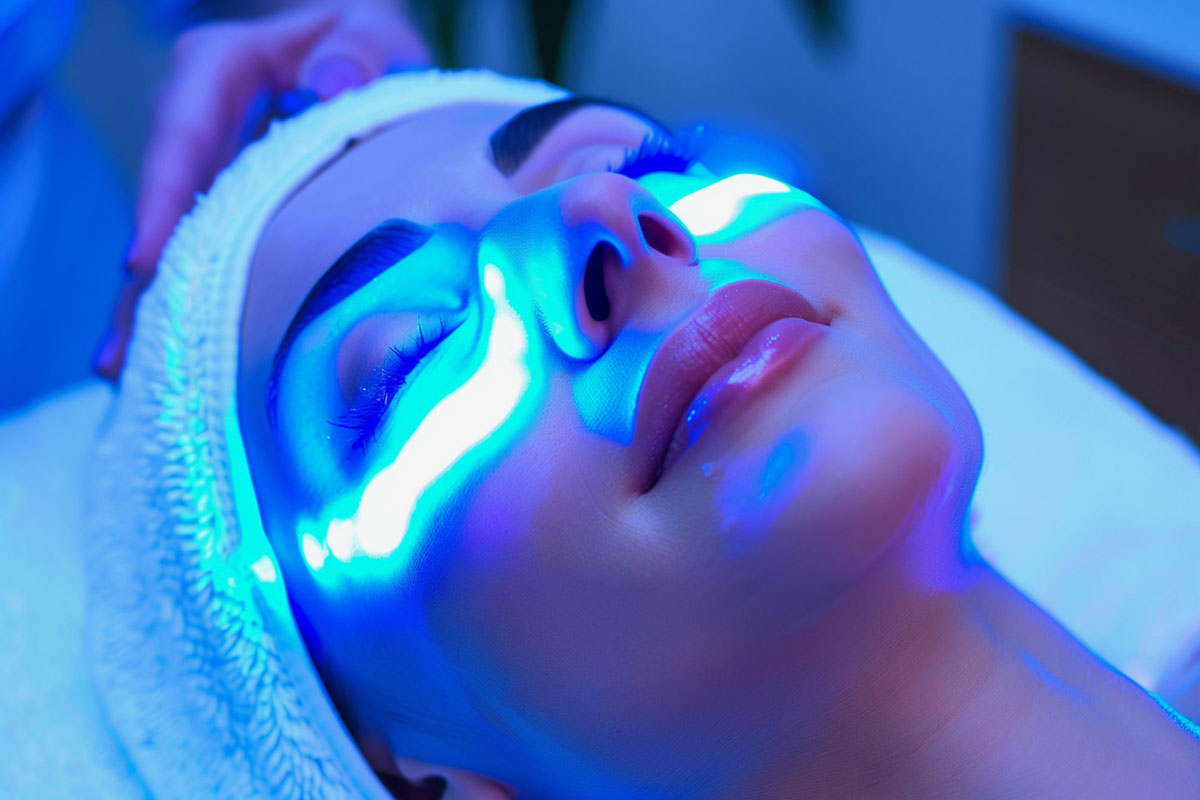
Facial light therapy occupies a distinct place in seasonal skincare protocols due to the combination of gentle impact and stable supportive effect. The procedure does not overload the skin and allows practitioners to work with its condition during periods when adaptive capacity is reduced. For this reason, it is often considered a basic element of comprehensive device-based care.
Key benefits of light therapy during the winter period:
- gentle support of cellular processes without compromising skin integrity;
- comfortable application for sensitive and reactive skin;
- no downtime or post-procedure restrictions;
- possibility of regular use without cumulative tissue stress;
- compatibility with other device-based and skincare methods.
Thanks to these characteristics, facial light therapy integrates well into protocols aimed at stabilizing skin condition and maintaining its appearance during seasonal changes. The procedure enables a systematic approach without creating additional stress on the skin barrier while preserving client comfort.

Facial light therapy as part of seasonal skincare
Facial light therapy is considered a logical component of seasonal skincare focused on supporting the skin under altered light conditions. The procedure does not replace basic skincare steps, but complements them by creating favorable conditions for stabilizing cellular processes and maintaining an even skin condition.
Due to its gentle nature, facial light therapy can be applied over an extended period without the risk of tissue overload. It integrates well into comprehensive protocols where comfort, safety, and predictable results are key criteria. This approach helps maintain facial skin in a stable condition even when natural adaptive resources are limited, preserving a healthy appearance and functional balance.