
Impaired skin barrier and skin hydration problems
Contents:
- What an impaired skin barrier is and why it is a problem
- Key signs of a compromised skin barrier
- Why the skin fails to retain moisture even with proper care
- Supportive approaches to restoring the skin barrier
- An impaired skin barrier as a signal to change skincare strategy
Persistent dryness, discomfort, and a feeling of tightness are familiar to many people — even those who carefully follow a daily skincare routine. Creams, serums, and masks seem to stop working: they provide brief relief after application, but within a few hours the skin again feels dehydrated. The underlying cause may be deeper than it appears at first glance — an impaired skin barrier.
This condition lies at the root of many cosmetic and dermatological concerns, not just dryness alone. In 2025, 42% of women in the United States and the United Kingdom reported signs of increased skin sensitivity, and more than 60% of them experienced inflammatory reactions — a figure directly linked to barrier dysfunction. When the skin loses its ability to retain moisture, no hydrating product can deliver long-lasting results.

What an impaired skin barrier is and why it is a problem
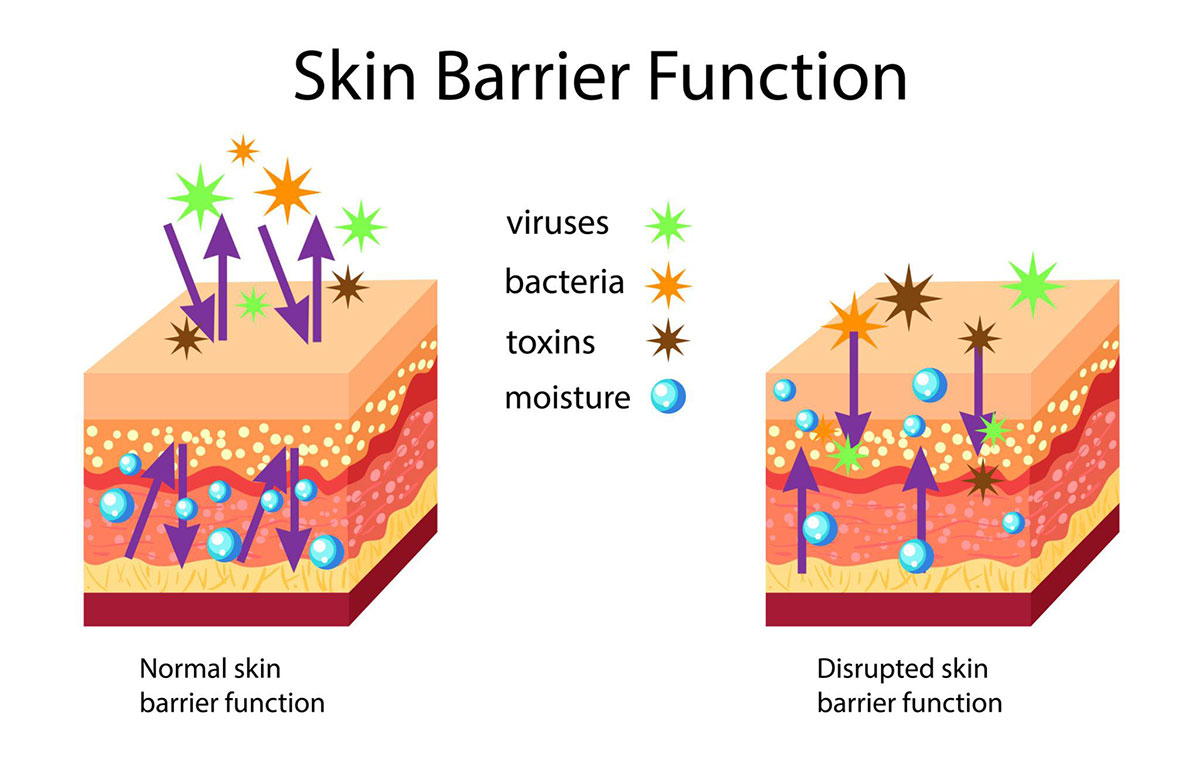
The skin barrier is the first line of defense between the body and the external environment. Its primary function is to retain moisture while preventing harmful substances, microorganisms, and allergens from penetrating the skin. This barrier consists of the stratum corneum, keratinocytes, and a lipid “cement” matrix that holds everything together.
When the barrier is compromised, the skin becomes vulnerable to dehydration, irritation, and inflammation. As a result, it loses the ability to retain moisture even when skincare appears appropriate. Transepidermal water loss (TEWL) increases sharply: while normal values remain below 44 g/(m²·h), barrier damage — as seen in conditions such as eczema — can push TEWL beyond 100 g/(m²·h). In practical terms, this means the body is literally “evaporating” moisture through the skin.
It is important to distinguish between dry and dehydrated skin. Dry skin is a genetically determined skin type characterized by a lack of lipids, whereas dehydration is a condition caused by barrier impairment and water loss. Even oily skin can be dehydrated if the barrier is not functioning properly.
An impaired skin barrier is not merely an aesthetic concern. It is a systemic dysfunction that affects overall skin health, its ability to self-repair, its response to cosmetics, and its susceptibility to dermatological conditions.
Key signs of a compromised skin barrier
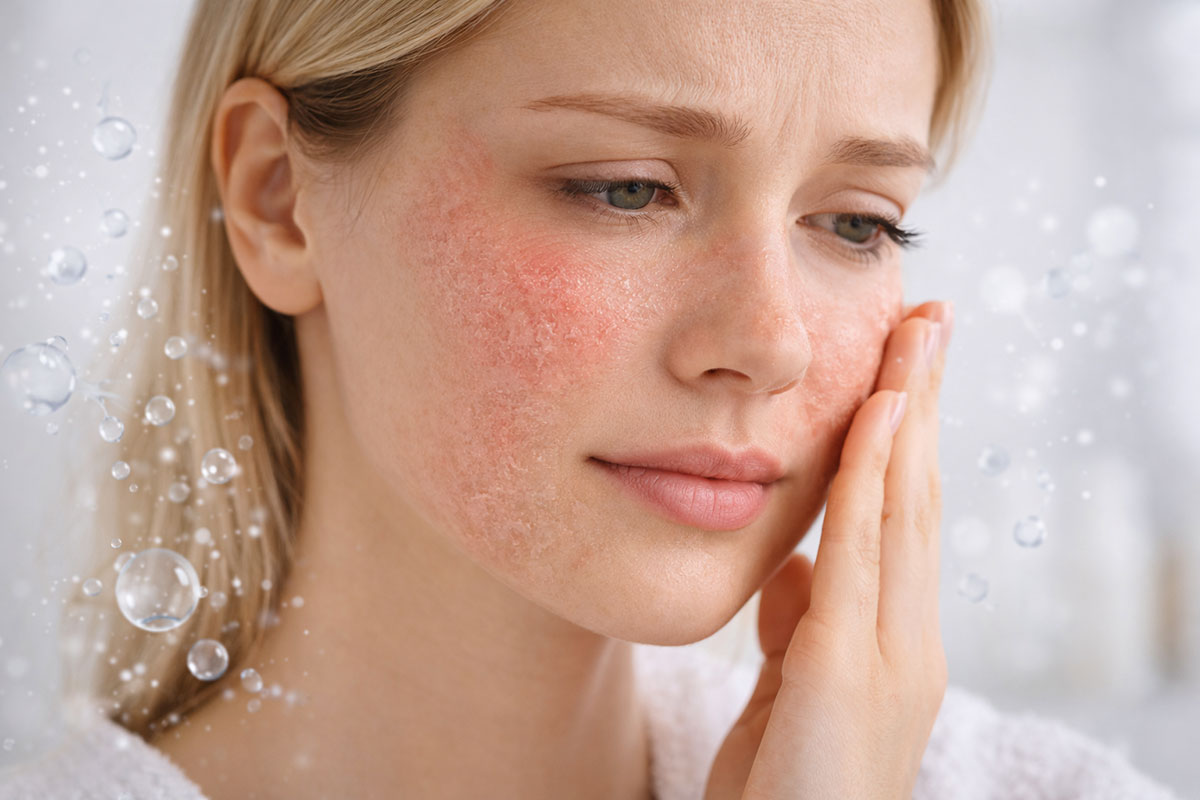
When the skin’s protective barrier fails to perform its functions, changes in appearance and sensation develop quickly. In many cases, discomfort appears before visible symptoms become noticeable. According to 2025 data, more than 40% of women in the US and UK reported increased skin sensitivity, which is often the first indicator of barrier disruption.
Key signs include:
- persistent tightness, even after applying moisturizers;
- rapid return of dryness after skincare;
- increased reactivity to familiar products, including those previously well tolerated;
- irritation, tingling, or redness after cleansing;
- an unstable appearance: dullness, fatigue, patchiness, or flaking.
These manifestations are not always caused by incorrect skincare. On the contrary, even high-quality products may fail if the underlying issue is a compromised barrier. In such cases, the skin simply cannot utilize what is being applied to it.
Why the skin fails to retain moisture even with proper care
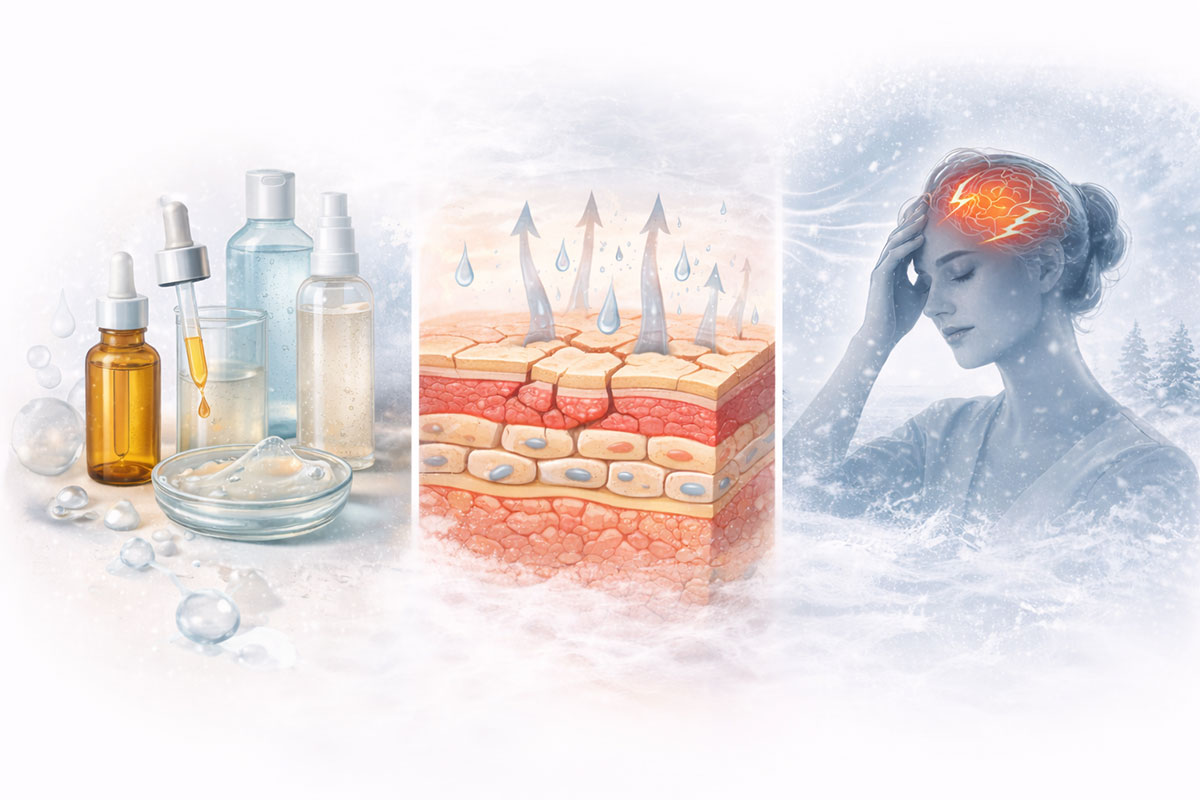
Most often, the skin barrier suffers not from a lack of care, but from excessive or incorrect routines. Many modern beauty rituals include active ingredients, acids, and frequent cleansing, while little attention is paid to maintaining barrier integrity. The result is a paradox: skincare is present, but results are not.
Over-cleansing
Up to 35% of dehydration cases are statistically linked to the use of aggressive cleansers. Alkaline foams, scrubs, and harsh gels strip away the lipid layer, leaving the skin unprotected. In these conditions, the skin does not merely fail to retain moisture — it continuously loses it.
Aggressive procedures without recovery
Intensive peels, laser treatments, and microneedling all require an adequate recovery phase. Without proper protection and soothing care afterward, barrier damage worsens. The same applies to the use of retinoids and acids without appropriate support.
Stress and seasonal factors
In 2024–2025, chronic stress emerged as one of the leading contributors to skin barrier disruption in both the US and the UK. Elevated cortisol levels slow regeneration by 20–30%. Combined with cold air and low indoor humidity, this creates ideal conditions for barrier impairment.
“Skinimalism” and excessive actives
On one hand, moving away from multi-step routines is a positive trend. However, simultaneous use of retinoids and acids, according to 2025 data, resulted in barrier damage in 15–20% of active cosmetic users. Minimalism without balance is another hidden pitfall.
It is important to remember: an impaired skin barrier automatically means a reduced ability to retain moisture. Even the most expensive hydrating products will not deliver results until the underlying water-retention mechanism is restored.
Supportive approaches to restoring the skin barrier
When it comes to restoring the skin’s protective function, the key strategy is not to force the process. The barrier cannot be “fixed” overnight, which is why a gentle, consistent approach tailored to individual skin needs is essential.
Why a gentle strategy matters
Active interventions such as acids, retinoids, or intensive procedures during periods of barrier disruption often worsen the condition. The skin lacks the resources to recover from aggressive stimulation, making it necessary to postpone radical methods.
The role of supportive device-based methods
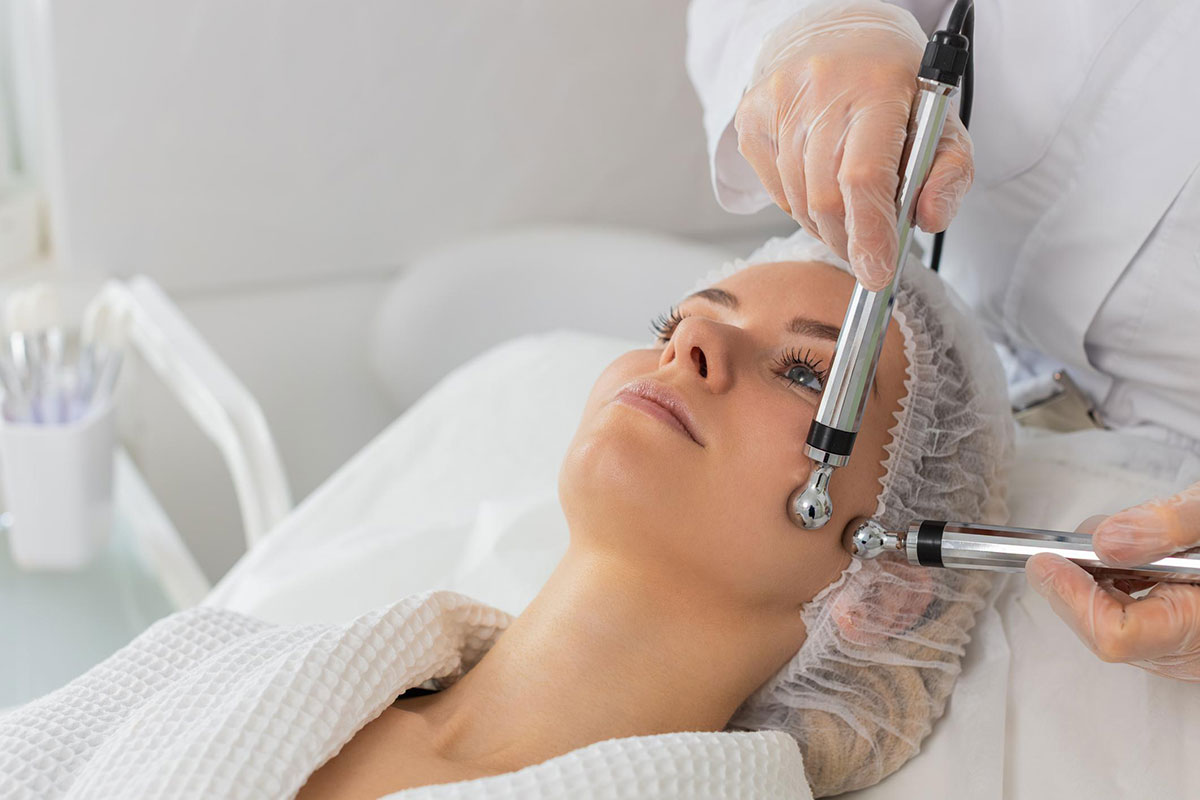
Low-intensity device-based procedures are among the safest and most effective ways to support the skin during recovery. Microcurrent therapy, ultrasonic hydration, and LED therapy work gently without damaging the barrier, while simultaneously stimulating metabolic processes and promoting soothing effects.
Research data show that after four weeks of using products containing ceramides and emollients, skin hydration levels can increase by up to 100%, while TEWL decreases by 11–15%. This confirms that barrier restoration is achievable, but requires time and a stable, consistent approach.
Combining hydration, soothing, and stabilization
An effective strategy includes:
- hydration (hydrating serums, masks, thermal water);
- lipid nourishment (creams with ceramides, fatty acids, cholesterol);
- soothing agents (panthenol, allantoin, chamomile or centella asiatica extracts);
- minimization of irritating factors in daily skincare.
An impaired skin barrier requires a systemic approach — and device-based cosmetology can play an important role in maintaining results without compromising skin safety.
An impaired skin barrier as a signal to change skincare strategy
Not a symptom, but a system
Skin issues are not always the result of a single incorrect product or isolated mistake. Often, they reflect a broader strategic error: overly intensive routines, insufficient focus on recovery, and neglect of basic needs. An impaired skin barrier is not a localized problem, but an indicator that it is time to rethink the entire approach.
A long-term process, not a quick fix
Barrier restoration is not a one-time action. It is an ongoing process that involves observation, adaptation of skincare to the skin’s condition, and a gradual reintroduction of active ingredients only when the skin is truly ready.
The role of a specialist
A cosmetologist or dermatologist is not merely a guide to procedures, but a strategist. In cases of barrier impairment, a specialist can objectively assess skin condition, select supportive device-based methods, and determine what is truly necessary and what should be avoided.
True skincare begins with respect for the process — and an impaired skin barrier simply signals that it is time to start that process anew.