Skin dryness in fall and winter: effective solutions for protection and restoration
CONTENT:
- Main causes of seasonal skin dryness
- Basic care principles for maintaining optimal hydration
- Device-based treatments for deep hydration and barrier strengthening
- Home care and prevention of seasonal dehydration
- Summary: seasonal protection as the foundation of healthy and comfortable skin
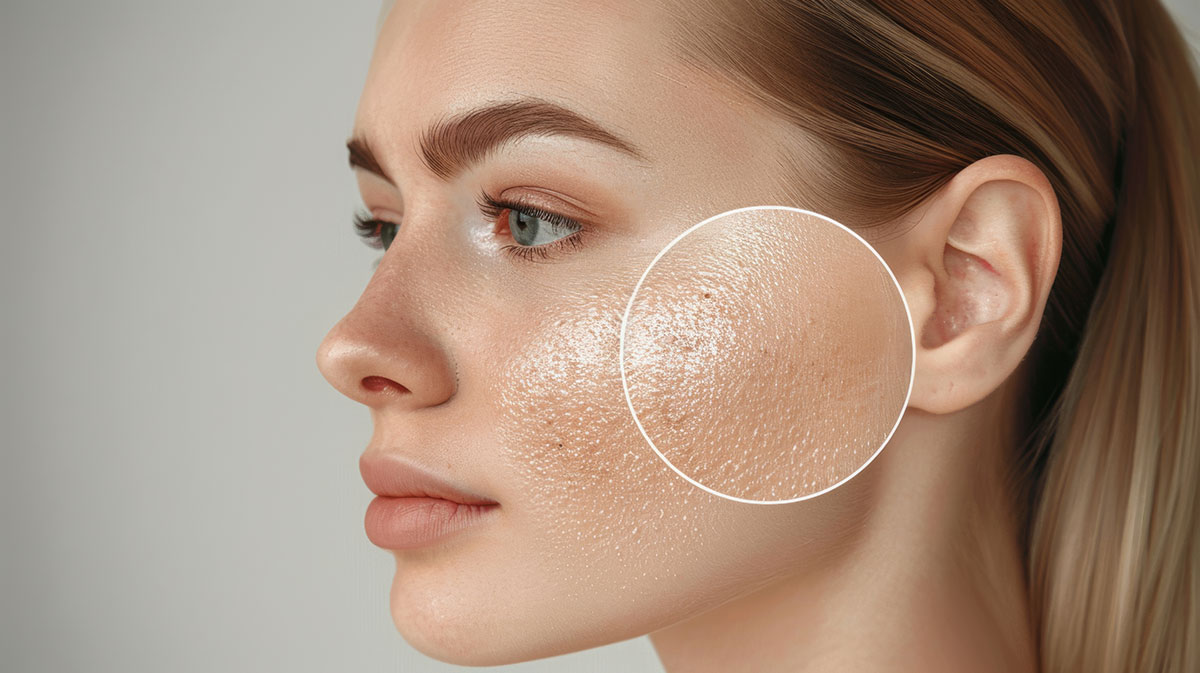
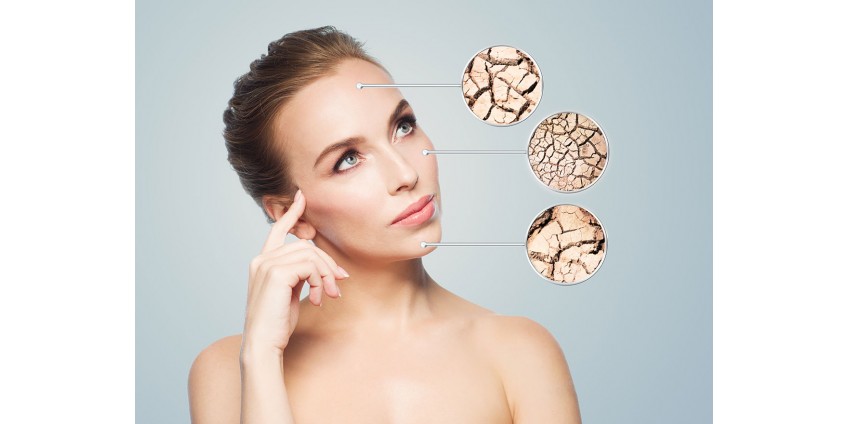
During the cold season, the skin reacts to sharp temperature changes, dry air, and the impact of heating systems. These factors weaken the natural protective barrier, provoke skin dryness, and cause a sensation of tightness. At the same time, regenerative processes slow down in winter, and sebaceous gland activity decreases, making the epidermis more vulnerable. To maintain optimal hydration and prevent irritation, it is essential to adapt daily care and include treatments that strengthen barrier functions and restore moisture balance.
Main causes of seasonal skin dryness
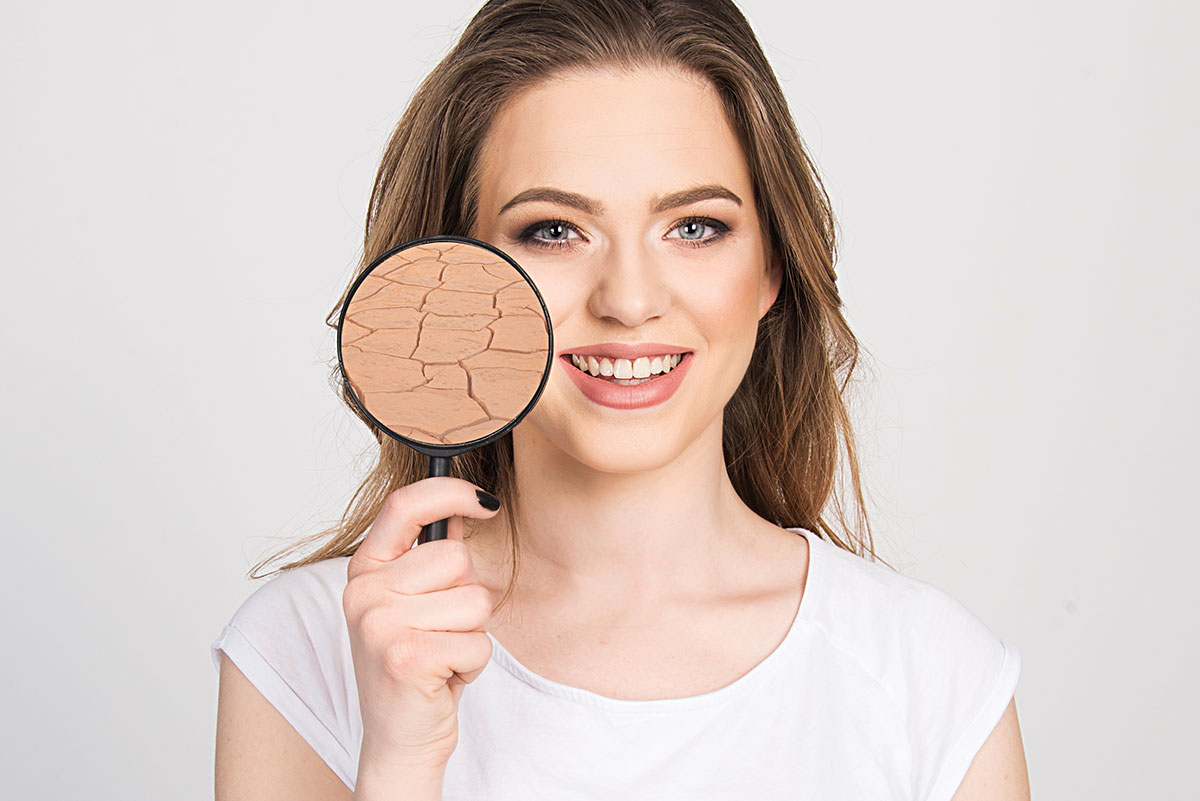
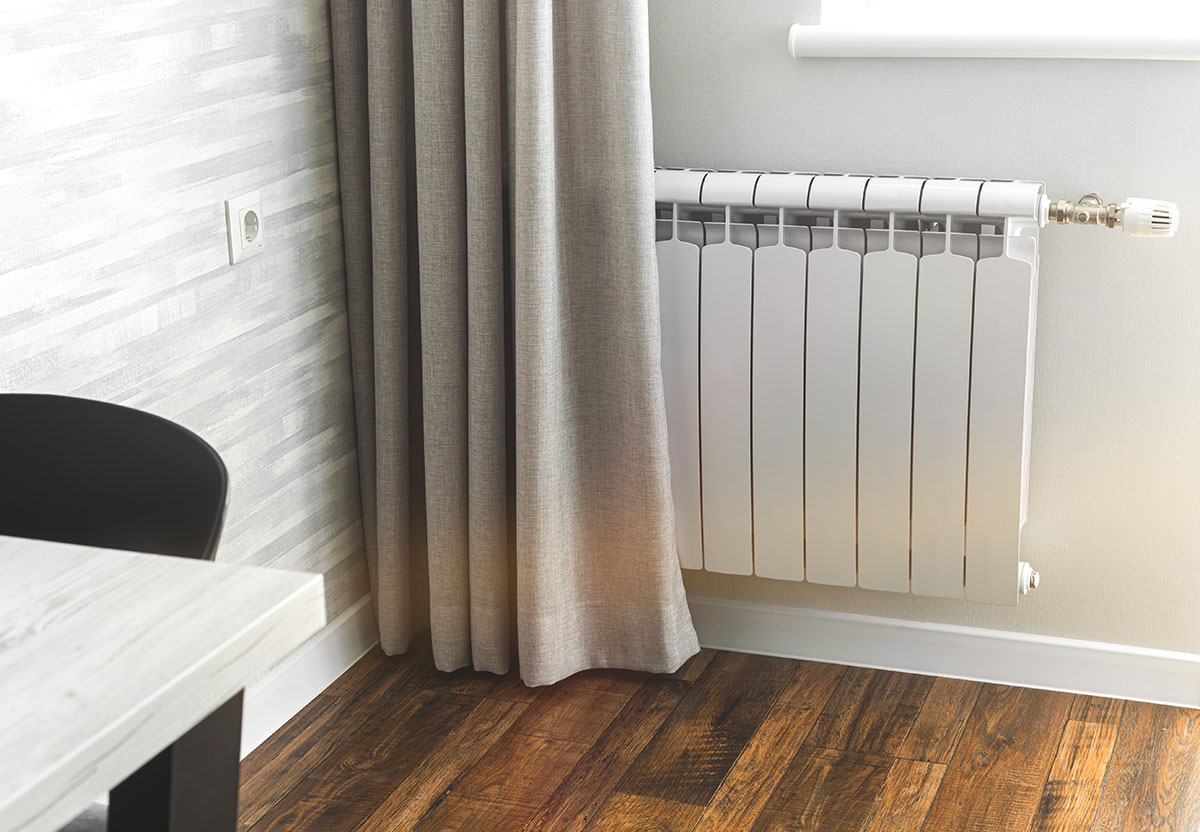
With the arrival of colder weather, the natural moisture balance becomes disrupted, and skin dryness develops even in those who usually do not face this issue. Reduced humidity, cold wind, and frequent temperature shifts weaken the lipid barrier, decreasing the skin’s ability to retain essential moisture. Indoor dry air also contributes significantly: heating systems greatly reduce hydration levels, creating conditions for irritation and flaking.
Main factors that trigger winter skin dryness:
- insufficient moisture in the air;
- slower activity of the sebaceous glands;
- sharp temperature contrasts between outdoors and indoor environments.
Understanding these mechanisms helps build a care routine that compensates for seasonal changes and maintains the skin’s healthy condition.
Basic care principles for maintaining optimal hydration
To minimize skin dryness during the cold season, it is essential to adapt care routines so they simultaneously protect, restore, and support the natural hydrolipid balance. The first step is gentle cleansing: harsh gels and foams with high concentrations of surfactants intensify dehydration, so soft formulas with soothing components are recommended. The next step is restoring the barrier function with creams containing ceramides, squalane, and lipids that strengthen the protective layer and reduce moisture loss.
To maintain stable hydration, it is also beneficial to use serums with hyaluronic acid, glycerin, or amino acids. They help retain moisture in the epidermis, reducing the intensity of seasonal dryness. The final step involves protection from external factors: creams enriched with antioxidants and nourishing components create an additional barrier between the skin and cold air. A proper combination of these principles ensures comfort and long-lasting hydration throughout the winter period.
Device-based treatments for deep hydration and barrier strengthening
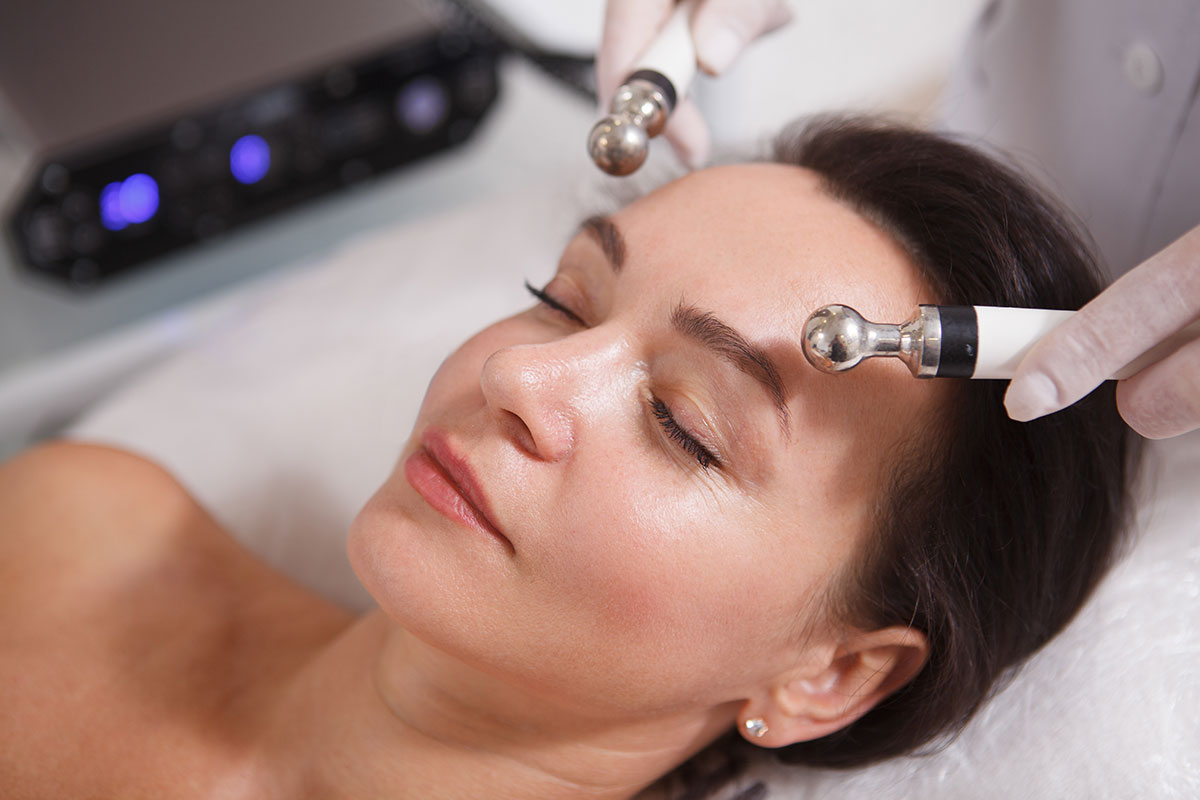
When seasonal skin dryness becomes more pronounced, device-based methods help restore the skin’s moisture balance much faster than home care alone. Their action is aimed at improving epidermal permeability, stimulating microcirculation, and rebuilding the barrier layer. One of the essential solutions during the cold season is atraumatic cleansing: it removes surface impurities without overdrying and prepares the skin for further hydration.
Highly effective are ultrasonic treatments, which enhance the absorption of active ingredients, reduce irritation, and improve moisture retention. Microcurrent therapy also plays a significant role: it supports cellular metabolism and strengthens natural defense mechanisms. In some cases, hydration methods using machines that combine gentle cleansing with the infusion of active formulas become beneficial. Such treatments provide deep restoration and noticeably reduce seasonal skin dryness, making it more elastic and resilient to cold.
Home care and prevention of seasonal dehydration
Daily home care plays a crucial role in managing issues such as skin dryness, especially when its worsening is triggered by cold, wind, and dry indoor air. During this period, it is important to choose products with rich formulas that reinforce the lipid barrier and help retain moisture. Creams with ceramides, peptides, niacinamide, or squalane reduce sensitivity and restore comfort.
Serums with hyaluronic acid and polysaccharides deliver intensive hydration, while nourishing night products support deep regeneration. Additional support comes from using a humidifier — one of the most effective ways to minimize at-home skin dryness, as it compensates for moisture loss caused by heating systems. It is also essential to avoid aggressive exfoliation and frequent use of mattifying products, which further dehydrate the epidermis. Consistency, gentleness, and correctly selected formulas help maintain the skin’s softness and resilience throughout the winter season.
Summary: seasonal protection as the foundation of healthy and comfortable skin
During the cold period, skin dryness becomes a common concern due to the influence of various physiological and external factors. A consistent care routine focused on hydration and barrier restoration helps maintain elasticity and resilience.
Combining gentle cleansing, nourishing formulas, device-based treatments, and proper home care minimizes discomfort and keeps the skin balanced throughout the entire cold season.