Why vacuum massage is more effective than traditional manual massage
CONTENT:
- Principle of vacuum massage
- Limitations of manual massage in body treatments
- Why vacuum massage delivers more pronounced results
- Vacuum massage within treatment programs
- When vacuum massage is the better choice
The choice between manual and device-assisted massage becomes practical when the goal is a predictable course-based outcome rather than a one-time “post-treatment” effect. A sedentary lifestyle intensifies stagnant processes: about 75% of women periodically or chronically experience lower limb edema. In more pronounced cases, 2–5 liters of excess fluid may accumulate in soft tissues, visually altering body contours and sometimes adding one or two clothing sizes.
Alongside fluid retention, changes in subcutaneous adipose tissue are common: signs of cellulite after puberty are reported in 85–98% of women. When a client’s request is “visible and stable improvement,” controllability, repeatability, and the ability to address the underlying causes of stagnation become critical. In this context, vacuum massage performed with a vacuum therapy machine typically demonstrates advantages over exclusively manual techniques.
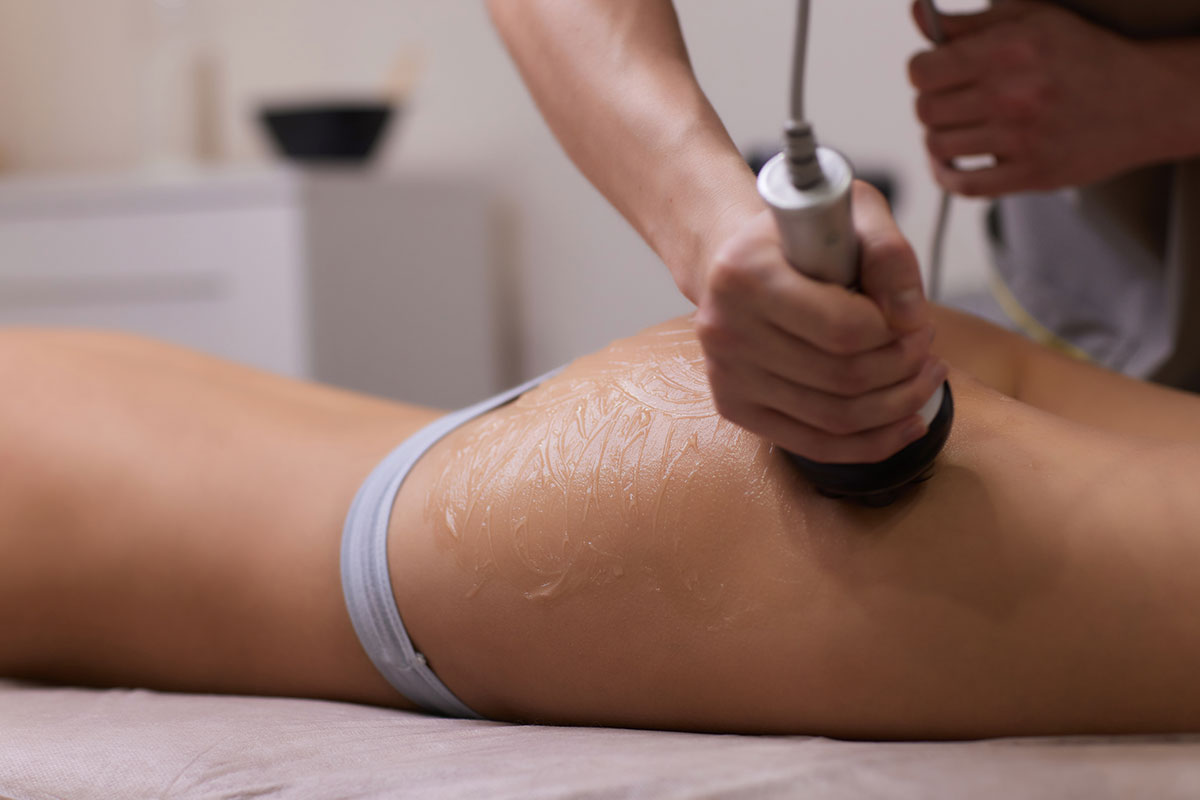
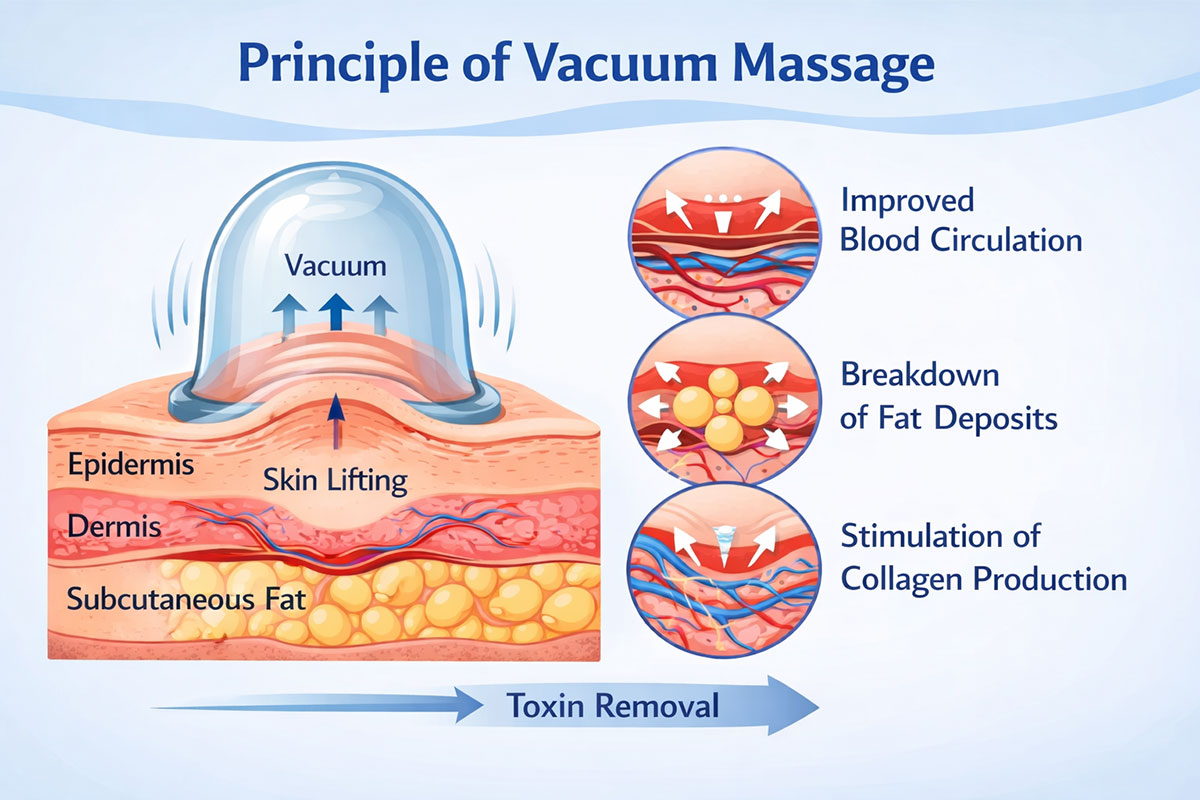
Principle of vacuum massage
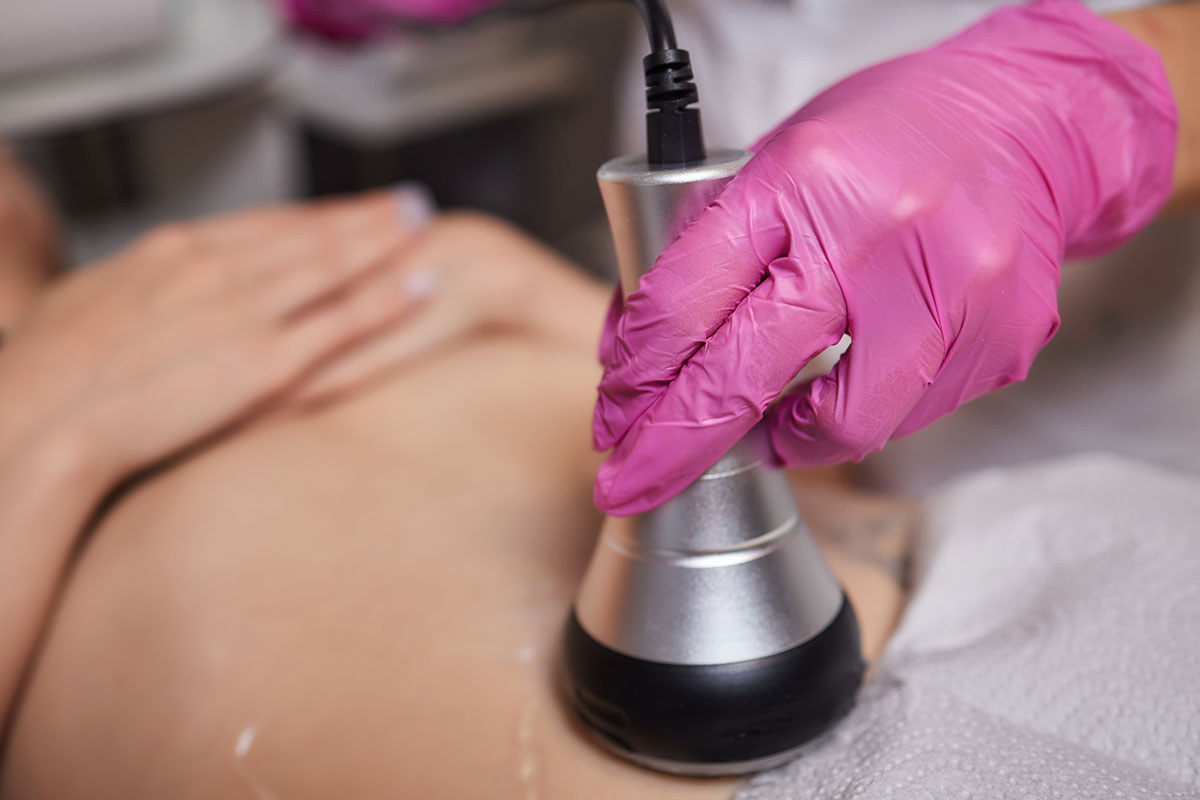
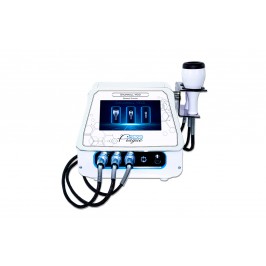
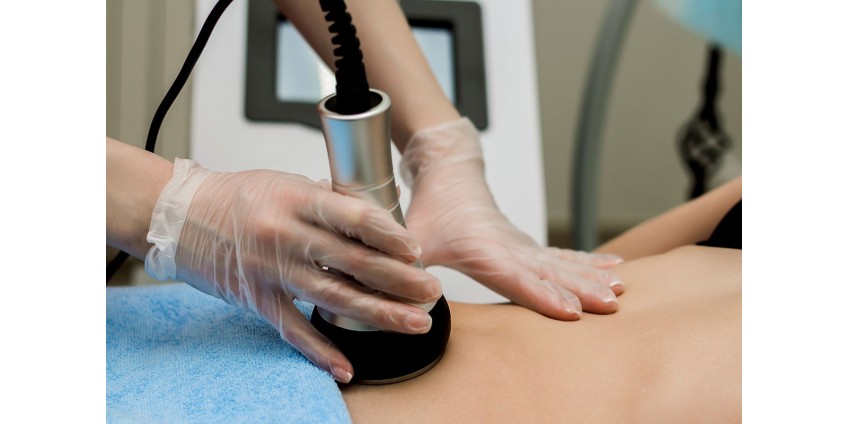
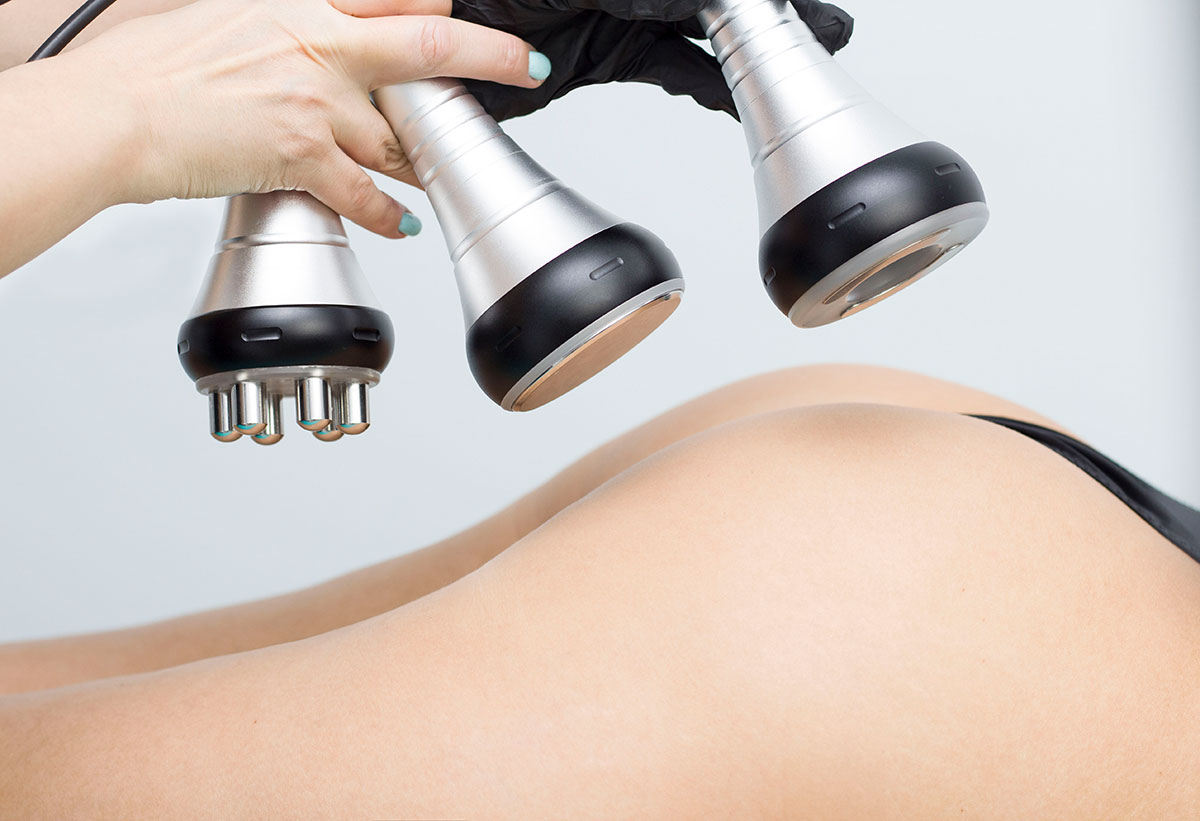
Vacuum massage is based on the creation of negative pressure within an applicator, producing controlled tissue suction. This pressure gradient ensures mechanical stimulation of the skin and subcutaneous fat while influencing the microvascular network. Unlike manual techniques, a vacuum therapy machine professional allows stable reproduction of preset parameters such as intensity, rhythm, and duration across the entire treatment area.
From a physiological perspective, microcirculatory response is essential. In advanced cellulite (stage III), skin temperature in affected areas may be 1.5–2°C lower than in healthy tissue, indicating impaired blood supply. Another key component is drainage: the mechanical “pump” effect promotes interstitial fluid movement and supports lymphatic outflow. In individuals with low physical activity, where lymph flow velocity may be three to four times lower than optimal, this directly impacts the speed of visible improvements during a course of procedures.
Limitations of manual massage in body treatments
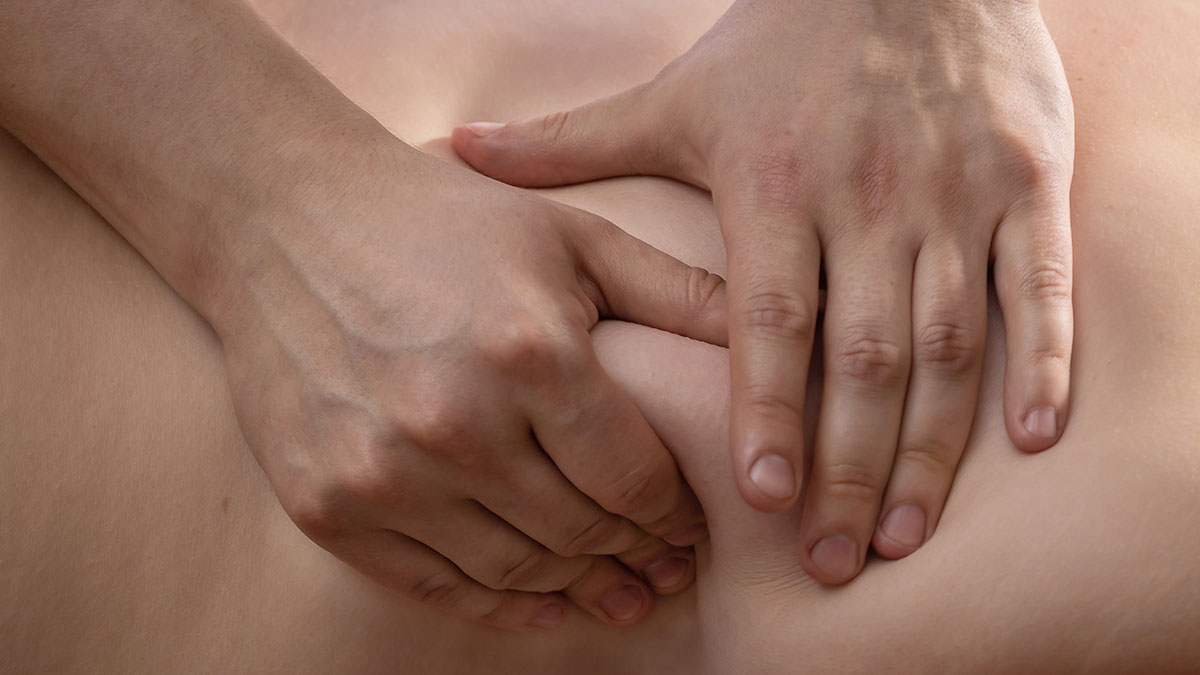
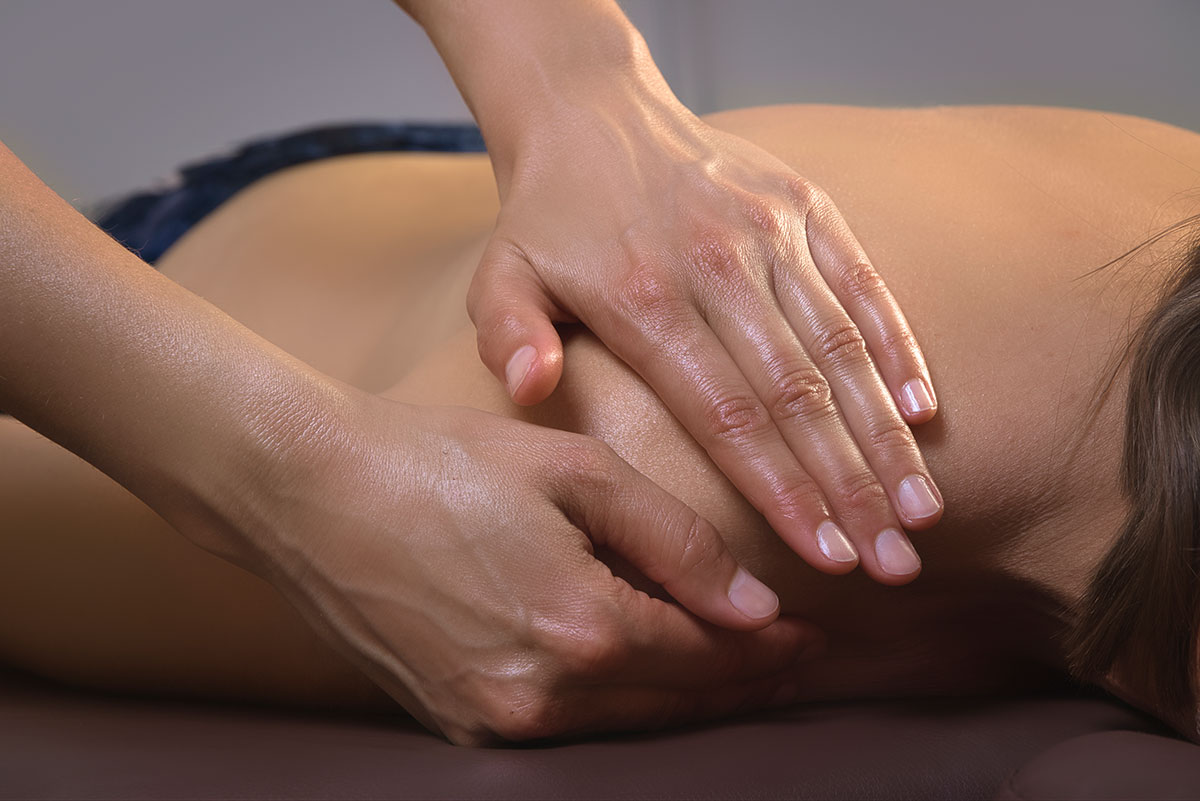
Manual massage remains a valuable tool for working with soft tissues. However, for body contouring and pronounced lymphatic drainage, it has objective limitations. The first is consistency. On large areas such as thighs, buttocks, or abdomen, it is difficult to maintain identical pressure, tempo, and depth for an extended period without variation. Even minimal fluctuations influence tissue response and reduce repeatability from session to session.
The second limitation is dependence on tissue condition. In cases of edema, pastosity, and significant stagnation, manual techniques often provide subjective relief but do not always deliver uniform stimulation throughout the entire zone. Considering that edema affects around 75% of women and cellulite manifestations are observed in 85–98% after puberty, methods with precisely controlled parameters offer a practical advantage for measurable, course-based protocols. In this regard, device-assisted approaches such as vacuum therapy equipment provide greater predictability.
Why vacuum massage delivers more pronounced results
The visible effectiveness of vacuum massage is not about “force” but about controlled and targeted impact on stagnation mechanisms. When excess fluid accumulates in tissues (in some cases 2–5 liters), contours change, pastosity appears, and tissue response slows. Additionally, in cellulite-affected areas, microcirculation may be compromised, with a 1.5–2°C drop in local skin temperature indicating reduced perfusion.
The difference in effectiveness is most often shaped by the following factors:
- uniform, reproducible pressure and rhythm across the entire treatment zone;
- more pronounced drainage in cases of edema and tissue pastosity;
- stimulation of microcirculation in “cold” problem areas;
- enhanced local metabolism due to improved blood flow and outflow;
- cumulative results throughout the course thanks to standardized parameters.
When exposure parameters remain stable, tissue response becomes easier to predict, and the treatment course evolves into systematic work with the causes of stagnation rather than only its external manifestations. In clinical practice, vacuum slimming therapy and vacuum slimming machine protocols are often integrated into comprehensive body programs for this reason.
Vacuum massage within treatment programs
In lymphatic drainage, body shaping, and contour correction protocols, vacuum massage is frequently used as a foundational or preparatory stage. The rationale is straightforward: reducing fluid stagnation and improving microcirculation enhances tissue responsiveness to subsequent procedures and supports more even dynamics within a structured course. This is particularly relevant in clients prone to edema, where retained fluid can mask real changes in silhouette.
Course-based models are also important in the context of age-related changes. Starting around age 25, collagen loss may reach approximately 1–1.5% per year, while the skin’s ability to retain moisture can decline by 20–30% over time. Regular stimulation of tissue trophism and drainage creates better conditions for improved visual skin quality and clearer body contours. In practice, vacuum therapy machines are rarely a standalone solution; rather, they establish a stable physiological base that enhances the effectiveness of complementary body technologies.
When vacuum massage is the better choice
Vacuum massage is advisable when predictability, visible course dynamics, and controlled exposure parameters are priorities. This most often applies to cases with an edematous component and tissue pastosity, given the high prevalence of edema (around 75% of women), as well as situations involving impaired microcirculation in problem areas. In pronounced cellulite cases, observed in 85–98% of women after puberty, controlled device-based stimulation allows uniform work on large zones and objective tracking of tissue response over time.
For professional application, adherence to safety standards and protocols is essential. Intensity is selected individually, and in the presence of suspected vascular complications, active inflammatory conditions, or other contraindications, prior medical consultation is required. Under these conditions, vacuum therapy machine professional systems become a reliable tool combining controllability, repeatability, and practical effectiveness within structured body treatment programs.